
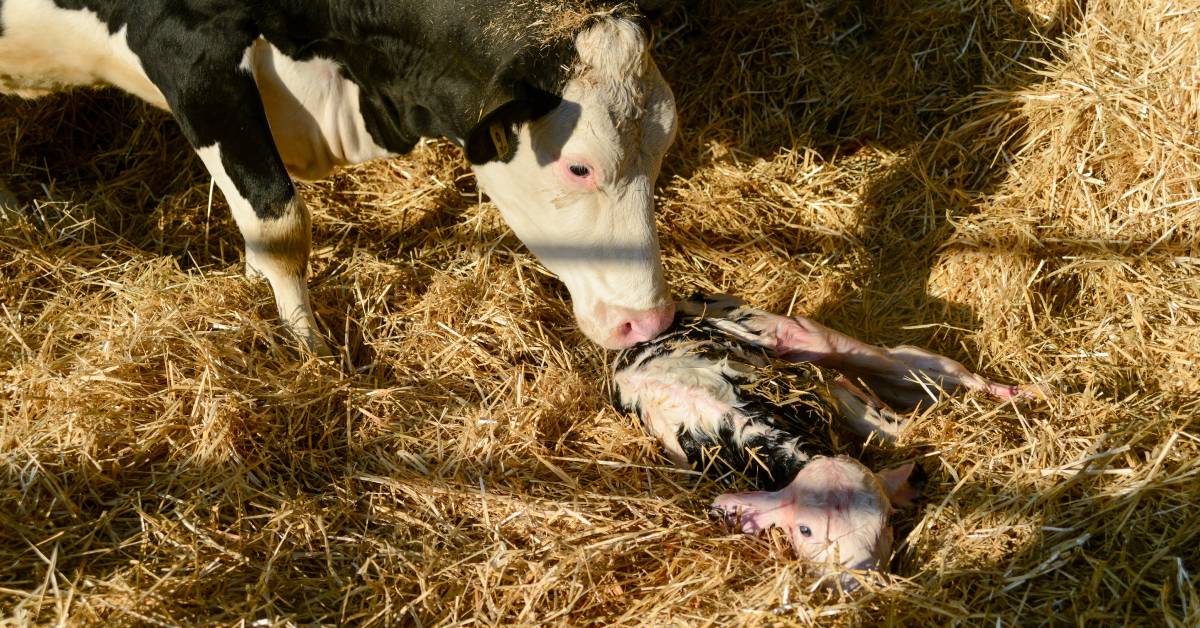

Managing calving stages with confidence is one of the most important responsibilities for any cattle operation. When producers and herd managers understand each phase of labor, they are better equipped to protect cow health, support newborn calves, and maintain long-term productivity. The calving period is also one of the highest risk points in a cow’s reproductive cycle. In dairy herds specifically, perinatal calf mortality rates range between 2 percent and 10 percent worldwide, depending on management and breed, which shows how essential timely observation and correct intervention can be.
Mismanaged calving can lead to complications such as dystocia, stillbirth, delayed calf breathing, retained placenta, and postpartum infections that jeopardize both the cow and the calf. Many of these issues are preventable when producers know what is normal, what is not, and how quickly they should respond to warning signs. A clear understanding of calving stages allows teams to plan, reduce stress on the animal, and make informed decisions that improve survival outcomes.
This guide will walk through the key stages of the calving process, the signs producers should monitor, when to intervene, and the practical steps that support cow and calf health. By the end, you will have a structured and reliable approach to recognizing calving stages, reducing risks, and improving welfare across your herd.
Overview of the Calving Stages
Understanding the calving stages is essential for anyone responsible for herd health and daily cattle operations. The calving process begins long before the calf appears, driven by a series of coordinated physiological and hormonal changes inside the cow’s body. As the due date approaches, hormones such as oxytocin, relaxin, and prostaglandins prepare the reproductive tract, soften the cervix, and initiate the early signs of labor. These internal shifts set the foundation for a smooth transition through each of the stages of cow calving, which is why close observation becomes even more critical during the final weeks of gestation.
Producers typically divide the calving process into defined stages because each stage signals a distinct set of behaviors and physical responses. These stages help identify what is normal and what may require attention. A clear understanding of the calving stages also allows teams to detect delays, abnormal presentations, or complications early, reducing the risk of difficult births and post-calving health issues. This structured approach is widely used in both beef and dairy systems, since it supports consistent monitoring and faster response times.
Effective management throughout calving stages directly influences survival outcomes for both cow and calf. Early labor signs help producers prepare the calving area, while timely recognition of progression through the calving stages allows caregivers to intervene only when necessary. Good management also supports stronger immunity in newborn calves, especially when paired with preventive care practices such as appropriate livestock vaccines. After delivery, the ability to track recovery and calf vigor ensures that both animals transition safely into the postpartum period.
Whether you manage a small herd or a large operation, having a clear guide to cattle care during the calving stages strengthens herd welfare, reduces losses, and improves overall reproductive efficiency. A well-monitored calving process sets the foundation for healthier calves, more productive cows, and a more resilient operation.

Stage 1: Preparatory / Early Labor
Stage 1 is the beginning of the calving stages, and understanding this phase is essential for maintaining cow comfort, reducing stress, and preparing for a safe delivery. During this stage, significant hormonal and physiological changes signal that labor is approaching. For producers familiar with cow calving stages, this is often the period when subtle but important behavioral shifts appear, indicating that the cow is transitioning into early labor.
Key Signs That Stage 1 Has Begun
Producers should monitor the following indicators:
- Restlessness and frequent movement
- Swelling of the vulva and noticeable udder filling
- Mucus discharge
- Tail raising or tail switching
- Seeking isolation away from the herd
- Kicking at the belly or repeatedly lying down and standing up
These signs help determine where the cow is within the calving stages and when close monitoring should begin.
Duration and Normal Variability
Stage 1 can last anywhere from two to six hours, although heifers often take longer due to their first-time experience and incomplete pelvic growth. A cow that remains in early labor for more than eight hours without progressing may require attention. Prolonged Stage 1 can signal issues that may place the unborn calf at risk, especially considering the typical cattle gestation period, which already places physical stress on the animal in the final weeks.
Common Risks During Stage 1
Several complications can appear during early labor, including:
- Metabolic imbalances, particularly calcium deficiency
- Malpresentation, such as the calf positioned backward or sideways
- Early exhaustion or uterine fatigue
- Excessive stress caused by overcrowded or unclean environments
These issues are often tied to broader herd health management mistakes, highlighting the importance of preparation and consistent observation.
Recommended Management and Observation Practices
Producers can support a smoother Stage 1 by:
- Providing a clean, dry, and quiet calving area
- Ensuring the cow has adequate space to move naturally
- Monitoring from a distance to reduce pressure or anxiety
- Keeping essential equipment ready for Stage 2 support
- Reviewing health history for risks such as previous dystocia or common cow diseases
Consistent monitoring paired with an informed understanding of the calving stages helps producers intervene only when necessary. Early action during Stage 1, when supported by proper facility design and trained staff, increases the likelihood of safe progression into active labor and delivery.
Stage 2: Expulsion of the Calf
Stage 2 is the most critical and visible part of the calving stages, where active labor begins and the calf moves through the birth canal. For producers familiar with cow calving stages, this phase requires focused observation and timely decision-making because delays or abnormal progress can quickly escalate into emergencies. Stage 2 begins when the water bag or amniotic sac appears and continues until the calf is fully delivered.
What to Expect in Stage 2
During normal Stage 2 labor, producers can expect:
- Strong, coordinated abdominal contractions
- Appearance of the water bag followed by the amniotic sac
- Visible advancement of the calf’s forelimbs and head
- Steady progress with each contraction
Most cows complete this stage within thirty minutes to one hour, while heifers may take slightly longer. The goal is to ensure that progress continues without long pauses or signs of distress.
Recognizing Proper Presentation and Early Signs of Dystocia
A correct presentation is essential for a smooth delivery, especially during the more demanding calving stages. The ideal presentation is:
- Calf positioned head first
- Both front feet extended forward
- Nose resting on or slightly behind the knees
Producers should stay alert for warning signs that indicate dystocia, such as:
- Only one leg visible
- Head visible without accompanying limbs
- Backward or breech presentation
- No progress despite strong contractions
- Uneven limb position or crossed legs
Genetic factors can play a role in calving difficulty, which is why many ranchers use cattle genetic testing to select sires and dams with lower birth weight tendencies and improved calving ease traits.
When and How to Intervene Safely
Intervention should happen only when necessary and always with a calm, organized approach. Proper restraint, clean equipment, and a clear plan are essential. Safe intervention may include:
- Correcting the calf’s position if malpresentation is detected
- Assisting the cow by pulling in rhythm with contractions
- Using calving chains or straps when the calf is well positioned
- Applying ample lubrication if needed
- Calling a veterinarian when progress stalls or repositioning is complex
Producers should also maintain good identification and monitoring practices, especially when using systems like EID tags for cattle, which help track calving history, intervention frequency, genetic risk factors, and recovery outcomes.
Health Risks for the Calf
Stage 2 exposes the calf to several risks that require immediate post-calving attention. Common concerns include:
- Suffocation if the chest remains compressed too long in the birth canal
- Navel contamination leading to infections such as navel ill
- Hypothermia in cold or wet conditions
- Delayed breathing requiring stimulation after delivery
Frequent but low stress observation is critical to reduce these risks and prepare for rapid intervention once the calf hits the ground.
Health Risks for the Cow
The cow also faces potential complications during Stage 2. These include:
- Uterine fatigue due to prolonged contractions
- Tearing of the reproductive tract during forced delivery
- Internal bleeding or shock
- Increased susceptibility to retained placenta in the next stage
Supporting cow health throughout pregnancy with good nutrition, proper conditioning, and effective pasture rotation can reduce many of these risks.
Role of Monitoring During Stage 2
Monitoring should be frequent but calm to avoid adding pressure during this intense stage of calving. Cows respond better when observers maintain distance, avoid loud noises, and only step in when labor stops progressing. Recording the timeline, noting when the water bag appears, and tracking the calf’s advancement help producers decide whether continued observation or active intervention is needed.
Producers equipped with accurate knowledge of cow calving stages, practical tools, and well-trained staff consistently achieve better outcomes for both cow and calf. Effective oversight of Stage 2 sets the foundation for a healthy transition into the next phase of calving and supports long-term productivity across the herd.
Stage 3: Expulsion of the Placenta / Afterbirth
Stage 3 is the final phase of the calving stages, involving the expulsion of the placenta or afterbirth. Understanding this phase is critical for both cow health and overall herd productivity. For producers familiar with cow calving stages, monitoring during Stage 3 ensures that the cow transitions safely from parturition to post-calving recovery.
Typical Duration and Red Flags
Under normal conditions, the placenta is expelled within two to six hours after the calf is delivered. Duration more extended than 12 hours is considered abnormal and is a red flag that intervention may be required. Prolonged retention increases the risk of infection and reproductive complications.
Why Retention of the Placenta Is a Serious Concern
A retained placenta can lead to:
- Uterine infection (metritis)
- Delayed involution of the uterus
- Reduced fertility and conception rates in the next breeding cycle
- General weakness or illness in the cow
Early detection and management are essential to prevent long-term productivity loss.
Management Strategies
When a placenta is not expelled naturally, recommended management practices include:
- Observation and patience: Many cows expel the placenta without intervention if given time
- Manual removal only if advised by a veterinarian and done carefully to avoid uterine damage
- Antibiotic therapy in case of infection or as preventive care under veterinary guidance
- Supportive care: Clean environment, monitoring for fever, and ensuring hydration
Preventive Approach to Uterine Health
Proactive measures to support healthy placental expulsion include:
- Proper nutrition before and after calving, focusing on minerals like calcium and phosphorus
- Maintaining clean calving areas to reduce infection risk
- Ensuring cows are in good body condition and free from metabolic stress at calving
- Monitoring closely for signs of distress or complications
Consistent attention to Stage 3 in the calving stages safeguards reproductive performance and reduces the risk of postpartum disorders. Following these practices is essential for producers raising cattle who aim to maintain herd health, optimize calf survival, and support long-term productivity.
Post-Calving Management
Post-calving care is critical in ensuring the health and productivity of both the cow and calf. Understanding the calving stages helps producers anticipate needs immediately after birth, while awareness of cow calving stages informs proper monitoring and intervention.
Immediate Care for the Calf
The first moments after birth are crucial:
- Breathing: Clear the airways of mucus and ensure the calf starts breathing normally.
- Drying: Dry the calf quickly to prevent hypothermia, especially in colder climates.
- Navel Care: Dip the navel in iodine or antiseptic solution to reduce the risk of infection.
Colostrum Management
Colostrum provides essential antibodies and energy for the newborn. Key considerations include:
- Timing: Feed within the first 2–4 hours after birth.
- Quality: High-quality colostrum ensures maximum immunity transfer.
- Volume: Aim for 10% of the calf’s body weight in the first feeding.
Cow Care
Proper post-calving monitoring keeps the cow healthy and ready for lactation and future breeding:
- Bleeding: Monitor for excessive postpartum bleeding.
- Milk Let-Down: Check that udder and teats are functioning properly.
- Metabolic Recovery: Watch for signs of ketosis, milk fever, or other metabolic issues.
Record-Keeping and Follow-Up
Maintaining accurate records allows for better herd management and early detection of complications:
- Document calving dates, interventions, and calf outcomes.
- Schedule follow-up checks to monitor both cow and calf health.
- Use this data to refine protocols for future calvings and support overall herd health management.
Proper post-calving management ensures a smooth transition from labor to lactation, supports calf vitality, and reduces the risk of postpartum complications in cows. Following structured practices after the calving stages preserves herd productivity and animal welfare.
Best Practices for Preventing Calving Problems
Understanding calving stages is crucial to preventing complications and ensuring the health of both cow and calf. Proper preparation and proactive management can significantly reduce risks associated with dystocia, stillbirths, and post-calving infections.
Nutrition Pre-Calving
Nutrition plays a pivotal role in preparing cows for labor:
- Energy: Provide sufficient calories to maintain optimal body condition and support the demands of labor.
- Minerals: Adequate levels of calcium, phosphorus, and magnesium help prevent metabolic disorders such as milk fever.
- Protein: Supports fetal development and maintains muscle tone, reducing the likelihood of calving difficulties.
Heifer Development and Pelvic Measurement
Ensuring heifers are well-developed minimizes calving complications:
- Monitor growth and weight gain throughout development.
- Conduct pelvic measurements before first calving to identify heifers at higher risk of dystocia.
- Adjust nutrition and management plans for heifers with smaller pelvic dimensions.
Monitoring Strategies
Regular observation and tracking are essential across the calving stages:
- Monitor cows from breeding through calving to detect health issues early.
- Use body condition scoring to fine-tune nutrition and management.
- Identify behavioral changes or early signs of labor to ensure timely intervention when needed.
Hygiene and Record-Keeping
A clean calving environment supports both cow and calf health:
- Sanitize bedding and calving pens regularly to minimize pathogen exposure.
- Ensure adequate space, ventilation, and access to clean water and feed.
- Maintain accurate records of calving dates, interventions, and any complications to improve protocols for future calvings.
How Cattlytics Supports Effective Calving Management
By focusing on nutrition, development, monitoring, and hygiene, farmers can proactively manage calving stages, minimize risks, and promote healthy, productive herds. These best practices strengthen overall herd management and enhance long-term reproductive performance.
Cattlytics is a comprehensive cattle management platform designed to support ranchers through each of the calving stages. By providing real-time insights into animal behavior and health, it enables proactive decision-making, reduces risk, and ensures timely care during critical periods.
Key Features
- Real-Time Cow Monitoring: Track movements, activity levels, and behavioral changes indicative of labor onset.
- Calving Alerts & Notifications: Receive instant updates when a cow enters Stage 1 or shows signs of distress.
- Health and Behavior Analytics: Analyze trends in feeding, rumination, and activity to spot early health concerns.
- Historical Calving Records: Maintain accurate records for each cow, helping identify patterns and improve future planning.
- Integration with Vet & Care Workflows: Seamlessly coordinate with veterinarians and farm staff for timely interventions.
By combining advanced monitoring tools with easy-to-access data, Cattlytics transforms traditional calving management into a precise, data-driven process. Ranchers can prioritize cows requiring attention, reduce unnecessary handling stress, and improve calf survival rates.
Conclusion
Understanding and managing calving stages is critical for maintaining herd health, ensuring calf survival, and optimizing overall productivity. Each calving stage presents its own challenges and risks, from early labor to placenta expulsion, and a well-informed approach can prevent common complications such as dystocia, stillbirth, and post-partum disorders. Recognizing the signs at all calving stages allows timely interventions, supports animal welfare, and reduces economic losses for ranchers.
Proper post-calving care, including colostrum management, metabolic monitoring, and hygiene, further strengthens both cow and calf outcomes. Coupled with preventive measures like nutrition planning, heifer development, and structured monitoring, these practices create a foundation for long-term herd performance and resilience.
FAQs
How long is stage 1 labor in cows?
Stage 1 labor, also known as the preparatory or early labor stage, typically lasts between 2 and 24 hours depending on the cow’s parity, breed, and environmental conditions. During this stage, the cow may show signs of restlessness, udder development, and tail raising as the cervix dilates and the body prepares for the expulsion of the calf. Careful observation during this stage is crucial to detect prolonged labor or complications.
How to tell when a cow is close to giving birth?
Signs a cow is near calving include visible udder enlargement, softening of the pelvic ligaments, mucus discharge, and increased restlessness. Some cows may isolate themselves from the herd. Monitoring these behaviors and knowing the stages of calving helps ranchers anticipate delivery and provide timely assistance if needed.
What are the 3 P’s of calving?
The 3 P’s refer to Presentation, Position, and Posture of the calf during delivery. Correct alignment, head-first, front feet leading, is essential for a safe expulsion. Deviations in any of the 3 P’s indicate potential dystocia and may require intervention.
What is the 3-2-1 rule for calves?
The 3-2-1 rule is a guideline for immediate post-calving care: a calf should attempt to stand within 3 hours, nurse colostrum within 2 hours, and receive a health check or intervention if any issues are noted within 1 hour. Following this routine ensures calf vitality and supports herd health management.