


Managing the health of newborn calves during their first six months is one of the most critical responsibilities in any beef operation. Research shows that the highest risk period for calf mortality occurs within the first few weeks after birth, with management during this stage playing a decisive role in survival and long-term performance. This period determines not only survival rates, but also long-term productivity, disease resistance, and overall herd efficiency. Problems that emerge later in life often trace back to gaps in early management rather than isolated events.
This guide focuses on practical, field-proven approaches to managing newborn calves from birth through six months, with attention to health, nutrition, environment, monitoring, and long-term outcomes.
Understanding the Critical First 6 Months for Newborn Calves
The first six months represent the most vulnerable stage in the life of newborn calves. At birth, calves enter an environment filled with pathogens while possessing an immature immune system. Their ability to cope with stress, disease exposure, and nutritional change depends almost entirely on early management decisions.
During this phase, newborn calves rely on passive immunity, environmental protection, and consistent nutrition to remain healthy. Failures in any of these areas can result in scours, respiratory illness, poor growth, or mortality. Even when calves survive early illness, setbacks often appear later as reduced feed efficiency or lower performance.
Understanding the role livestock vaccination plays in this early window is essential. Vaccination strategies work best when paired with good colostrum intake, low stress handling, and clean environments. Vaccines alone cannot compensate for poor early care, but when integrated properly, they help protect newborn calves as their immune systems develop.
Immediate Care Practices Right After Birth
The hours immediately following birth are among the most decisive for newborn calves. Management during this window sets the trajectory for immunity, disease resistance, and early growth. Decisions made at this stage often determine whether newborn calves develop strong immune defenses or face recurring health challenges during the first months of life. Consistency, cleanliness, and timely intervention matter far more than reactive treatment later on.
Colostrum Management and Timing
Colostrum is the single most important nutritional input for newborn calves. It provides antibodies that protect calves during the weeks before their immune systems mature. Because the gut of newborn calves is only able to absorb these antibodies for a limited time, delayed intake or inadequate volume significantly reduces protection and increases long-term health risks.
Effective colostrum management includes:
- Ensuring calves nurse within the first few hours of life
- Monitoring calves that appear weak, slow to stand, or reluctant to nurse
- Maintaining cleanliness during any assisted feeding to avoid introducing bacteria
Producers should also observe nursing behavior rather than assuming intake has occurred. When colostrum delivery is inconsistent, newborn calves face higher risks of scours, respiratory disease, and secondary infections that can compound over time and slow early growth.
Navel Care and Infection Prevention
The navel is a direct pathway for bacteria to enter the body during the first days of life. Poor hygiene at birth increases the risk of joint infections, navel illness, and systemic illness that may not become visible until days later.
Best practices include:
- Keeping calving areas dry and clean
- Treating navels shortly after birth using appropriate disinfectants
- Observing swelling, heat, or discharge during early health checks
Early care routines should also align with planned vaccination schedules. Mapping these protocols early allows producers to maintain consistency across calving seasons and reduce missed preventive steps during periods of high labor demand.
Housing and Environmental Management for Baby Calves
Environmental management plays a central role in the health of baby calves. Many disease challenges originate from damp, crowded, or poorly ventilated conditions rather than nutritional deficiencies. Even well-fed calves can experience repeated illness if housing conditions increase stress or expose them to high pathogen loads. For baby calves, a clean and well-managed environment supports immune development and reduces the need for medical intervention during the early months.
Cleanliness, Bedding, and Moisture Control
Moisture is a primary driver of pathogen survival. Wet bedding increases exposure and weakens natural defenses in baby calves, particularly during periods of frequent calving or adverse weather. Consistent attention to bedding quality reduces bacterial pressure and improves overall comfort.
Key environmental priorities include:
- Regular bedding replacement to maintain dry resting areas
- Good drainage in calving and holding areas to prevent pooling
- Avoiding overcrowding, which increases contamination and stress
These practices reduce disease pressure, support healthier growth during the early months, and help stabilize daily management routines.
Temperature Stress and Shelter Planning
Newborn calves struggle to regulate body temperature, making them vulnerable to both cold and heat stress. Cold stress increases energy demands and can divert nutrients away from growth, while heat stress suppresses immune function and feed intake.
Shelter planning should address:
- Wind protection in cold conditions
- Shade and airflow in warm climates
- Dry resting areas for newborn cattle
In pasture-based systems, pasture rotation helps reduce pathogen buildup, improves ground conditions, and limits prolonged exposure to contaminated areas, supporting healthier environments for calves.
Nutrition and Feeding Strategies from Birth to Weaning
Nutrition directly influences growth stability, immune strength, and disease resistance during early life. Feeding programs must evolve as calves mature while avoiding sudden changes that disrupt digestion. For newborn calves, nutritional stress often presents as health issues rather than obvious feeding problems, making consistency and observation essential throughout the first months.
Milk Feeding Programs and Consistency
Consistent feeding schedules support digestive health and metabolic stability. Irregular timing or fluctuating volumes increase the risk of scours, dehydration, and reduced nutrient absorption. For newborn calves, predictability helps regulate digestion and supports steady energy availability.
Producers should focus on:
- Predictable feeding intervals that remain consistent day to day
- Age-appropriate milk volumes are adjusted gradually as calves grow
- Monitoring hydration, manure consistency, and overall alertness
The digestive system of a newborn baby calf is highly sensitive. Consistency is more important than rapid weight gain, particularly during the first weeks when the gut is still developing. Sudden increases in milk volume or changes in feeding patterns can overwhelm digestion and trigger avoidable setbacks.
Introducing Starter Feeds Safely
Starter feeds support rumen development and prepare calves for the transition away from milk. However, introducing these feeds too aggressively can cause digestive upset and suppress milk intake before calves are physiologically ready.
Best practices include:
- Gradual introduction of solid feed to encourage curiosity rather than force intake
- Continuous access to clean water to support rumen activity
- Monitoring intake trends over time rather than focusing on daily consumption
As calves begin consuming more starter feed, nutritional balance becomes increasingly important. Balanced nutrition supports steady growth, reduces digestive stress, and contributes to improving feed conversion ratios as calves mature. Throughout this phase, newborn calves benefit most from gradual transitions, stable routines, and close observation rather than rapid dietary changes driven by short-term weight targets.
Disease Prevention and Health Monitoring in Baby Beef Operations
Disease prevention in baby beef operations depends on observation, routine, and timely response rather than reactive treatment. Most health issues escalate when early warning signs are overlooked or dismissed as temporary setbacks. Consistent daily checks allow producers to identify patterns and intervene before conditions worsen and spread within the group.
Early-life disease often has compounding effects. Calves that experience illness during the first months may survive but still show reduced growth, delayed development, or increased susceptibility later in life. For newborn calves, prevention is far more effective than treatment, both from a health and labor standpoint.
Common Health Issues in Young Calves
Scours, pneumonia, and dehydration are the most frequent challenges in baby beef operations. These conditions often develop quickly and may present with subtle early signs that are easy to miss during busy periods.
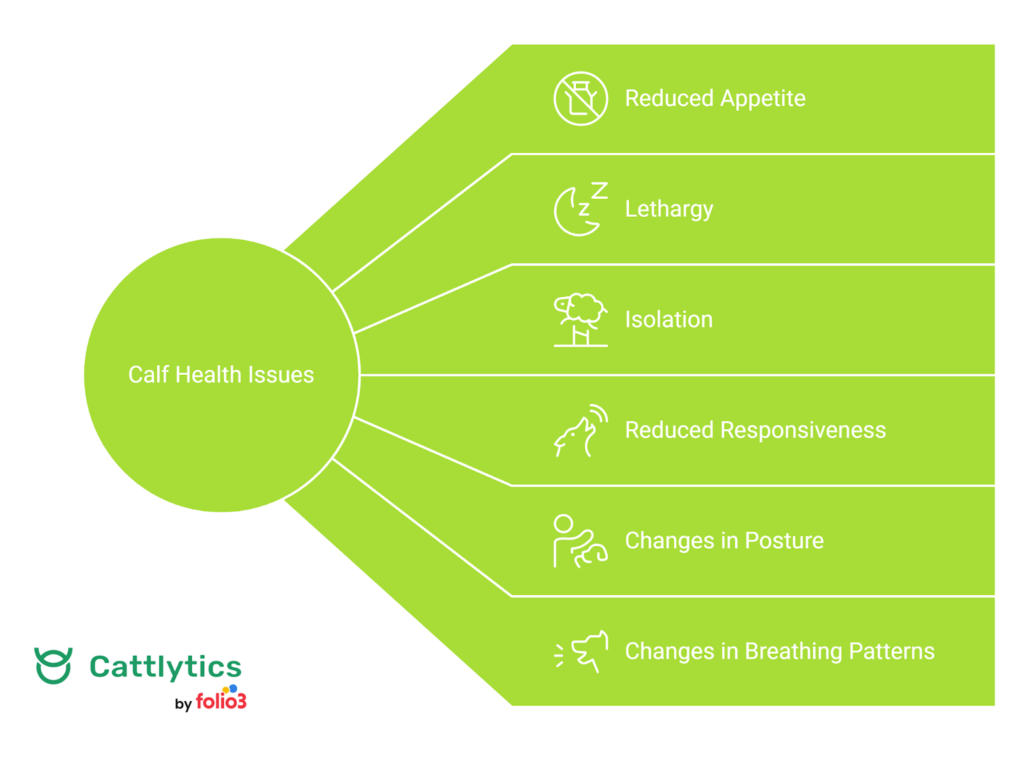
Familiarity with common cow diseases allows faster response and reduces the severity of outbreaks. Early identification limits spread, shortens recovery time, and lowers overall treatment costs.
Vaccination and Veterinary Protocols
Preventive health programs reduce long-term costs and labor demands when implemented consistently. Collaboration with veterinarians helps tailor protocols to herd-specific risks, environmental pressures, and historical disease patterns.
Effective record keeping should include:
- Vaccination timing and product details
- Treatments administered and dosage information
- Response observations following intervention
Consistent documentation supports better outcomes for newborn calves and helps track trends related to newborn cow health across seasons, allowing adjustments before problems become recurring.
Growth Tracking and Behavioral Observation
Growth tracking extends beyond scale weights. Behavioral cues often signal health issues earlier than physical symptoms and should be part of routine observation.
Important indicators include:
- Willingness to rise and move freely
- Interaction with other calves and social engagement
- Feeding enthusiasm and consistency
Calves that lag behind peers require closer monitoring and may need targeted intervention. Genetic factors also influence performance, making cattle genetic testing a useful tool for evaluating long term growth potential when combined with sound management and consistent health monitoring.
Preparing Newborn Calves for a Strong Transition Beyond Six Months
The transition beyond six months introduces new nutritional and management demands. Preparation reduces stress and supports continued growth as calves move into the next production phase. For newborn calves, this transition is most successful when changes are gradual and supported by consistent routines rather than abrupt shifts in feeding or handling.
Readiness indicators include:
- Stable weight gain over several weeks
- Minimal illness history during earlier growth stages
- Consistent feed intake without digestive disruption
Calves that meet these benchmarks are better equipped to adapt to dietary and environmental changes. Breed characteristics also influence adaptation, making discussions around top cattle breeds relevant when aligning genetics with operational goals and long-term performance expectations.
Long-term planning should also reflect sustainable livestock practices that balance productivity, animal welfare, and environmental responsibility. When health, nutrition, and management are aligned early, producers reduce stress during transitions and support more predictable outcomes beyond the six-month mark.
Technology and Record Keeping for Calf Health Management
As herd size increases, manual tracking becomes unreliable and inconsistent. Technology supports accuracy and continuity without replacing hands-on management or stockmanship. For cow calf operations, the goal of technology is not automation for its own sake, but better visibility into health, feeding, and growth patterns that are otherwise difficult to track over time.
Digital systems help track:
- Health treatments and intervention history
- Feeding changes and nutritional adjustments
- Growth benchmarks and performance trends
When these records are fragmented or incomplete, patterns are missed, and decisions become reactive. Centralized platforms designed specifically for beef operations reduce this risk by keeping all calf-level data in one place.
This is where purpose-built cow calf software like Cattlytics fits naturally into daily operations. Instead of relying on memory or paper logs, producers can monitor calf health events, treatments, and growth data in real time, supporting more consistent decision-making across teams and seasons. The value lies in visibility and continuity rather than complexity.
Tools such as EID tags for cattle further strengthen record accuracy by simplifying identification and linking each calf to its full health and management history. Accurate records reduce errors, improve traceability, and support better long-term planning for newborn calves as they progress through early life stages.
Conclusion
The first six months of life are decisive for newborn calves. Health outcomes during this period are shaped by early immunity, environmental management, nutrition consistency, and preventive care.
Producers who prioritize structure, observation, and early intervention position their herds for long-term success. The result is healthier calves, lower treatment costs, and stronger performance throughout the operation.
FAQs
How often should newborn calves be checked during the first weeks?
Newborn calves should be observed multiple times daily during the first weeks. Early checks focus on nursing behavior, alertness, and physical condition. As calves stabilize, monitoring frequency may decrease, but daily observation remains essential.
What are the early warning signs of illness in baby calves?
Early signs include reduced appetite, slower movement, and separation from the group. Subtle behavioral changes often appear before visible symptoms and should prompt closer inspection.
How long does passive immunity last in a newborn calf?
Passive immunity from colostrum typically protects calves for several weeks. As antibody levels decline, the calf’s immune system gradually takes over, making this transition period critical for monitoring.
When should veterinary support be involved?
Veterinary input is recommended when illness does not respond quickly to initial care or when multiple calves show similar symptoms. Proactive consultation also supports long term planning for newborn calves and herd health management.