
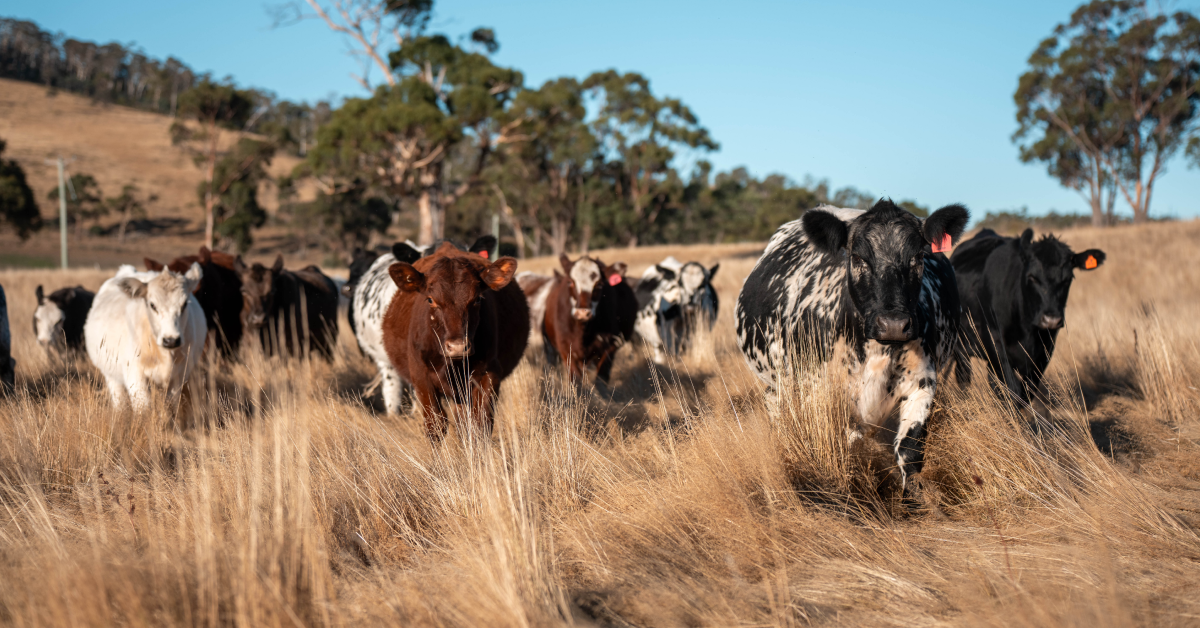

Livestock fattening is the process of feeding and managing cattle to achieve healthy weight gain and optimize meat production. Proper fattening practices ensure animals reach their growth potential while maintaining good health, which directly impacts productivity and economic returns. The US cattle industry contributes roughly $67 billion annually to the economy through beef production, highlighting the importance of effective livestock fattening practices.
Producers can choose to fatten cattle in either a barn or pasture environment, depending on available resources, climate, and production goals. Barn systems allow for controlled feeding and monitoring, whereas pastures provide more natural movement and grazing opportunities.
In this guide, readers will learn how to select the right animals for fattening, create balanced feeding plans, optimize housing and environmental conditions, monitor health, and implement best practices to maximize weight gain and herd profitability. These strategies not only enhance growth but also support overall herd welfare and long-term sustainability in the US beef industry.
Understanding Feedlot & Fattening Systems
Livestock fattening is commonly carried out in feedlot systems, where animals are grouped for intensive feeding to maximize weight gain efficiently. Feedlot farming has evolved over decades to meet growing beef demand while balancing economics, nutrition, and animal welfare. The primary goal is to achieve healthy growth and optimal carcass quality within a predictable timeframe.
Barn-Based vs Pasture-Based Fattening
- Barn-based systems: Controlled feeding, easier health monitoring, better protection from weather, faster weight gain.
- Pasture-based systems: Natural grazing, lower infrastructure costs, increased exercise for animals, potentially slower but steady growth.
Key Factors Influencing Weight Gain
- Breed: Some breeds like Angus or Simmental gain weight faster and convert feed more efficiently.
- Age: Young calves have higher growth potential; early selection is crucial.
- Sex: Male calves typically gain weight faster than females.
- Genetics: Genetic selection for feed efficiency and growth traits improves long-term herd performance.
Understanding and improving feed conversion ratios (amount of feed required per unit of weight gain) is essential. Efficient feed utilization reduces costs, supports sustainability, and minimizes environmental impact. Properly balancing energy, protein, and micronutrients ensures animals grow at a healthy rate without metabolic stress.
Adopting best practices in livestock fattening requires attention to both nutrition and environmental management. Sustainable livestock practices, including cattle genetic testing and careful monitoring, help optimize growth while maintaining animal welfare and long-term herd productivity.
Selecting Livestock for Fattening
Proper livestock fattening starts with selecting the right animals. Choosing healthy, young male calves ensures maximum growth potential and efficient weight gain during the fattening period. Male calves typically have higher feed conversion rates and grow faster than females, making them ideal for meat production.
Popular Breeds for Fattening
- Holstein: High growth potential, commonly used in crossbreeding programs.
- Montafon: Known for robust health and consistent weight gain.
- Simental: Strong frame, rapid growth, good carcass quality.
- Hybrid crosses: Often optimized for feed efficiency and growth.
These are widely recognized as top cattle breeds for fattening, ensuring efficient growth and healthy weight gain.
Body Structure and Temperament
Selecting animals with strong skeletal structure, good muscling, and calm temperament reduces stress during handling and feeding, which directly impacts growth rates. Active or highly nervous calves may expend extra energy, slowing weight gain.
Veterinary Checks
Before purchase, a thorough health assessment is critical. Veterinary inspections ensure calves are free from disease, parasites, and congenital issues, minimizing future losses. Preventive care, including vaccinations, contributes significantly to overall herd performance. This highlights the role livestock vaccination plays in maintaining healthy fattening herds.
Choosing the right breed and healthy animals sets the foundation for a productive cattle fattening program. Paying attention to genetics, structure, and health ensures faster weight gain, reduces losses, and supports long-term profitability.
Nutrition & Feeding Strategies
Proper nutrition is the backbone of successful livestock fattening. Calculating daily requirements for protein, energy, and essential micronutrients ensures optimal growth, supports immune function, and prevents metabolic disorders. Requirements vary by age, breed, sex, and production goals, making individualized feeding plans critical for efficiency and health.
Preparing Feed Rations
- Individual feeding: Best for high-value animals or precise weight gain tracking.
- Group feeding: Efficient for larger herds, though careful monitoring is required to prevent dominance-related underfeeding.
Feeding Schedule
- Frequency and timing matter; most fattening programs feed 2–3 times per day at consistent intervals.
- Portion control prevents overfeeding or nutrient imbalances while promoting steady growth.
Common Feed Types
- Silage and hay: Provide fiber, support rumen health.
- Concentrates: High-energy grains for rapid weight gain.
- Supplements: Vitamins and minerals to prevent deficiencies.
Professional Guidance
Working with a zootechnist, agricultural engineer, or veterinarian ensures feed rations meet growth objectives while minimizing the risk of digestive or metabolic issues. Regular monitoring of weight gain, body condition, and overall health helps fine-tune the feeding program.
Implementing these strategies boosts growth and allows better planning for pasture rotations to maintain forage quality and prevent overgrazing. Proper nutritional management combined with professional oversight is the cornerstone of effective cattle fattening programs.
Housing & Environmental Management
Effective livestock fattening relies not only on feed but also on proper housing and environmental management. The design and upkeep of barns, shelters, and pastures directly impact animal comfort, stress levels, and weight gain.
Barn Design
- Adequate space per animal prevents competition for feed and reduces aggression.
- Proper ventilation ensures air quality, reducing respiratory issues.
- Clean, dry bedding supports joint health and hygiene.
Pasture Management
- Implement pasture rotation to maintain forage quality and prevent overgrazing.
- Provide shelters for protection against extreme weather and predators.
- Ensure continuous access to clean water to support hydration and digestion.
Avoiding Overcrowding and Stress
Stress from overcrowding can slow growth, reduce feed efficiency, and increase susceptibility to disease. Regular monitoring of animal behavior and comfort is crucial for maintaining a productive fattening environment.
Environmental Factors
- Maintain optimal temperature and humidity to support metabolism and weight gain.
- Use fans, shade, or sprinklers where necessary to manage heat stress.
- Monitor environmental conditions continuously to prevent sudden changes that may affect animal health.
Proper housing and environmental management complement feeding strategies, improving growth efficiency while reducing the risk of common diseases and promoting overall herd welfare. Implementing structured barn and pasture practices is essential for successful cattle fattening programs.
Health Monitoring & Disease Prevention
Maintaining herd health is critical for effective livestock fattening. Healthy animals grow faster, convert feed more efficiently, and have lower mortality rates, directly affecting profitability.
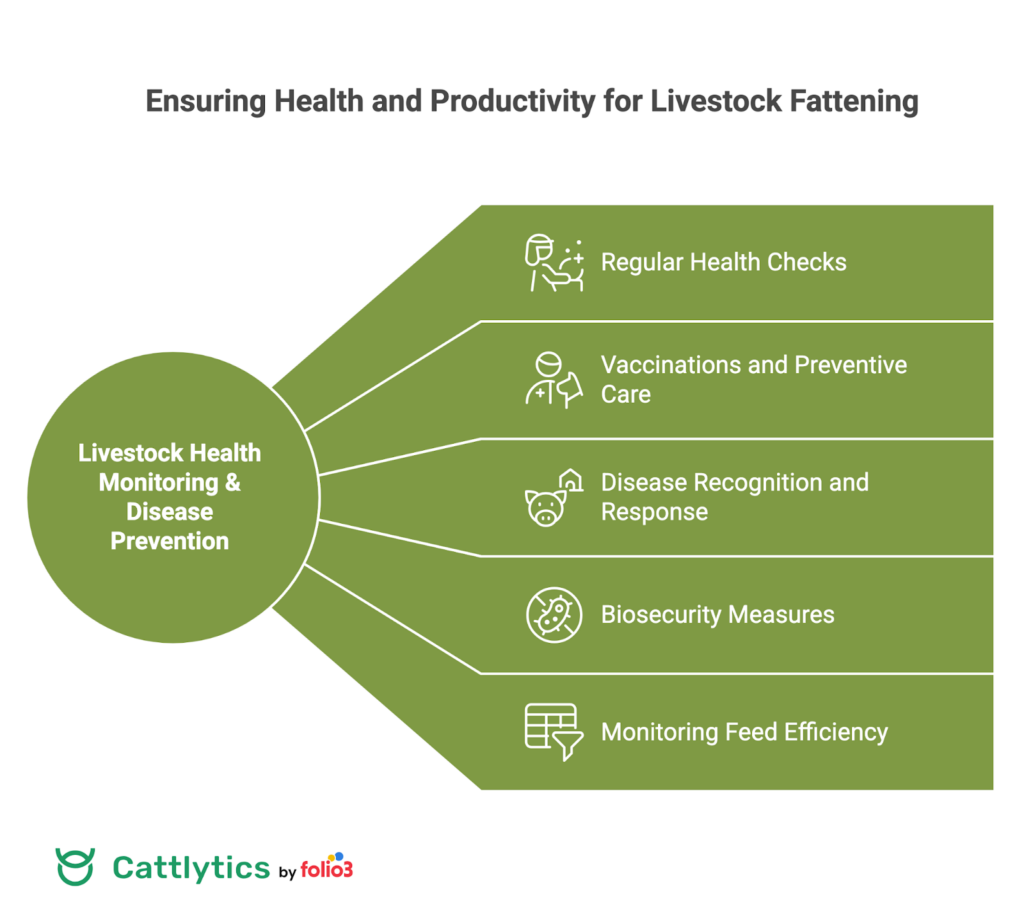
Regular Health Checks
Routine monitoring of body condition, weight gain, and overall behavior helps identify early signs of illness or stress. Key indicators include reduced feed intake, lethargy, abnormal posture, and visible lesions.
Vaccinations and Preventive Care
Vaccination schedules should be strictly followed to prevent common infectious diseases. Deworming and parasite control are equally important to maintain optimal digestion and nutrient absorption.
Disease Recognition and Response
Early identification of common cow diseases such as coughing, nasal discharge, diarrhea, or lameness allows for prompt intervention, minimizing losses. Segregating sick animals and providing veterinary care helps prevent outbreaks.
Biosecurity Measures
Implementing strict biosecurity protocols, including disinfection of equipment, controlled access to barns, and quarantine of new animals, reduces the risk of introducing pathogens to the herd.
Monitoring Feed Efficiency
Tracking weight gain and feed conversion ratios helps detect health issues that may not be immediately visible. Sudden drops in growth rates often indicate underlying disease, stress, or nutritional deficiencies.
A well-structured health monitoring and disease prevention program ensures that animals remain in peak condition throughout the fattening period. By combining preventive care, routine checks, and immediate response to health issues, farmers can maximize growth, maintain herd welfare, and achieve successful cattle fattening outcomes.
Monitoring Growth & Performance
Monitoring growth and performance is a key component of successful livestock fattening. Regular tracking ensures that animals are gaining weight efficiently and that feeding programs are optimized for maximum productivity.
Tracking Weight Gain
Use scales or weight tapes to record animal weights consistently. Maintaining growth charts over time allows farmers to identify trends, spot underperforming animals, and make timely adjustments to feeding strategies.
Body Condition Scoring & Visual Assessment
Visual evaluation of body condition complements weight measurements. Assess muscle development, fat coverage, and overall appearance to ensure that animals are progressing toward target weights without excessive fat accumulation.
Leveraging Technology
Modern tools like EID tags for cattle and automated cattle monitoring systems provide continuous insights into individual and herd performance. These systems can alert farmers to deviations in growth rates or health issues early, enabling proactive management.
Adjusting Feeding & Environment
Data from weight tracking, body condition scoring, and technology-based monitoring inform necessary adjustments. Modify feed rations, adjust pasture access, or improve barn conditions to maintain optimal growth and minimize stress.
Effective growth and performance monitoring helps farmers make evidence-based decisions, reduce inefficiencies, and ensure consistent results in cattle fattening programs. By combining traditional observation with technology-driven insights, operations can maximize weight gain while maintaining animal health and welfare.
Common Mistakes in Livestock Fattening & How to Avoid Them
Even experienced farmers can make errors that hinder growth and affect herd health during livestock fattening. Awareness of common pitfalls is critical for maintaining efficiency, animal welfare, and profitability.
Overfeeding or Underfeeding Animals
Providing too much feed can lead to excessive fat deposition, digestive issues, and wasted resources, while underfeeding slows growth and compromises immunity. Consistent monitoring of body condition and adjusting rations based on weight trends helps prevent these issues.
Ignoring Breed-Specific Requirements
Different breeds have distinct growth rates, nutritional needs, and temperament. Feeding a hybrid the same ration as a traditional breed can result in suboptimal gains or stress. Tailoring feeding programs to breed-specific requirements is essential for healthy weight gain.
Poor Hygiene and Environmental Stressors
Dirty barns, overcrowding, or extreme temperature variations increase the risk of disease and reduce feed efficiency. Proper ventilation, clean bedding, and pasture rotation help maintain a stress-free environment conducive to growth.
Neglecting Health Monitoring and Record-Keeping
Failing to track growth, detect illnesses early, or maintain vaccination schedules can compromise gains and increase mortality risk. Regular health checks, growth monitoring, and accurate records ensure timely interventions and overall herd productivity.
By proactively addressing these common mistakes, farmers can optimize cattle fattening outcomes, reduce losses, and ensure both animal welfare and economic returns. Combining attentive care, breed-specific strategies, and proper environmental management is key to achieving successful livestock fattening programs.
How Cattlytics Helps Optimize Livestock Fattening
Modern livestock fattening requires more than traditional feeding and observation. Digital cattle management software like Cattlytics provide farmers with actionable insights to maximize weight gain, maintain animal health, and improve operational efficiency.
Key Features:
- Real-Time Growth Monitoring – Track individual and group weight gains continuously.
- Automated Feeding Alerts – Ensure animals are fed on schedule and rations are optimized.
- Health & Behavior Analytics – Detect early signs of illness or stress before they impact growth.
- Historical Performance Records – Maintain comprehensive logs for performance evaluation and breeding decisions.
- Integration with Vet & Care Workflows – Streamline veterinary care, treatment plans, and interventions.
By integrating these tools, farmers can make data-driven decisions rather than relying solely on observation. Early detection of health issues reduces downtime, prevents growth setbacks, and minimizes veterinary costs. Optimizing feeding schedules and monitoring weight gain ensures that cattle fattening goals are met efficiently and sustainably.
Cattlytics also enables trend analysis, helping farmers adjust rations, identify underperforming animals, and improve overall herd productivity. With digital precision, farmers can maintain a balance between growth targets and animal welfare, creating a more reliable and profitable livestock fattening operation.
Conclusion
Effective livestock fattening is the cornerstone of a healthy, productive, and profitable herd. By combining well-planned nutrition, proper housing, and consistent health monitoring, farmers can ensure steady weight gain while maintaining animal welfare. Careful attention to breed-specific requirements, feeding schedules, and environmental factors minimizes stress and reduces the risk of common growth setbacks.
Modern tools like Cattlytics further enhance cattle fattening operations by providing real-time growth tracking, automated alerts, and actionable insights for feeding, health management, and performance optimization. Integrating technology with traditional practices allows farmers to make data-driven decisions, quickly respond to issues, and maintain a high level of herd productivity.
Ultimately, successful livestock fattening depends on structured protocols, vigilant monitoring, and leveraging the right tools. Farmers who invest time and resources into comprehensive feeding plans, environmental management, and digital monitoring can achieve consistent growth, improve operational efficiency, and maximize profitability. Adopting these strategies ensures that each animal reaches its potential while supporting sustainable and responsible livestock management practices.
FAQs
What is livestock fattening?
Livestock fattening is the process of feeding and managing animals, particularly cattle, to achieve healthy weight gain for meat production. It involves balancing nutrition, housing, and health care to maximize growth while maintaining animal welfare. Proper fattening ensures animals reach optimal body condition efficiently and supports profitability.
What is a fattening lot for livestock?
A fattening lot is a designated area, either in a barn or pasture, where livestock are kept for intensive feeding to promote weight gain. These lots are designed to provide controlled access to feed, water, and shelter while allowing monitoring of growth, health, and behavior. Effective lot management reduces stress and supports uniform weight gain.
How to fatten up livestock?
Fattening livestock requires a combination of well-planned nutrition, regular health checks, clean housing, and monitoring of growth performance. Providing high-quality feed rations with the right protein, energy, and micronutrients, along with proper feeding schedules and environmental management, helps animals gain weight efficiently. Regular monitoring allows timely adjustments to ensure steady growth.
What is the 30-month rule for cattle?
The 30-month rule refers to the guideline that cattle should be processed before reaching 30 months of age to reduce the risk of diseases such as BSE. Following this rule helps maintain food safety standards while supporting optimal meat quality.