
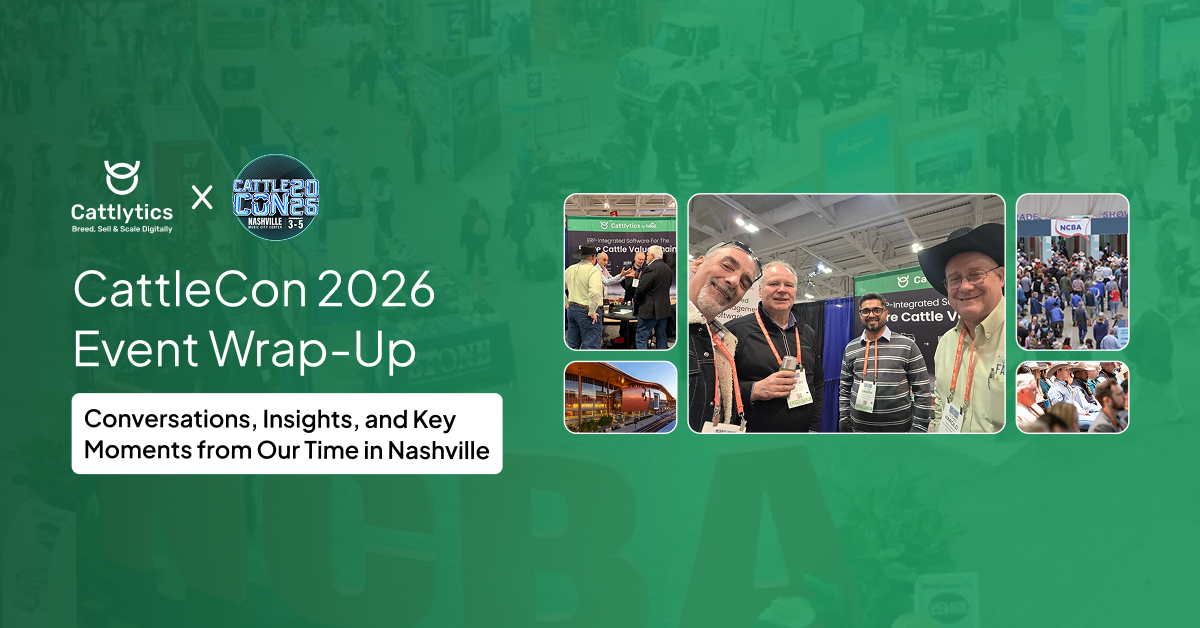

CattleCon 2026 in Nashville was the largest in the event’s history, with more than 9,400 people from across the cattle industry filling the Music City Center. From the moment the doors opened, the energy was obvious. The trade show floor stayed busy, sessions were packed, and every hallway conversation turned into a discussion about where the industry is headed next.
Beef demand remains strong, and cattle prices are holding at historically high levels, but no one we spoke with was relaxed. Tight supplies, herd rebuild timing, labor realities, feed costs, and animal health kept coming up in discussion after discussion. Our team, including Danish Raza, Rob Terry, Harold Birch, and Sheldon Bloom, spent the week on the floor talking with operators across the cattle value chain and walking through how Cattlytics fits into the day-to-day realities they’re managing.
For us, NCBA CattleCon was not just another stop on the calendar. It was a week of real dialogue and clear signals about what cattle producers are prioritizing in 2026.
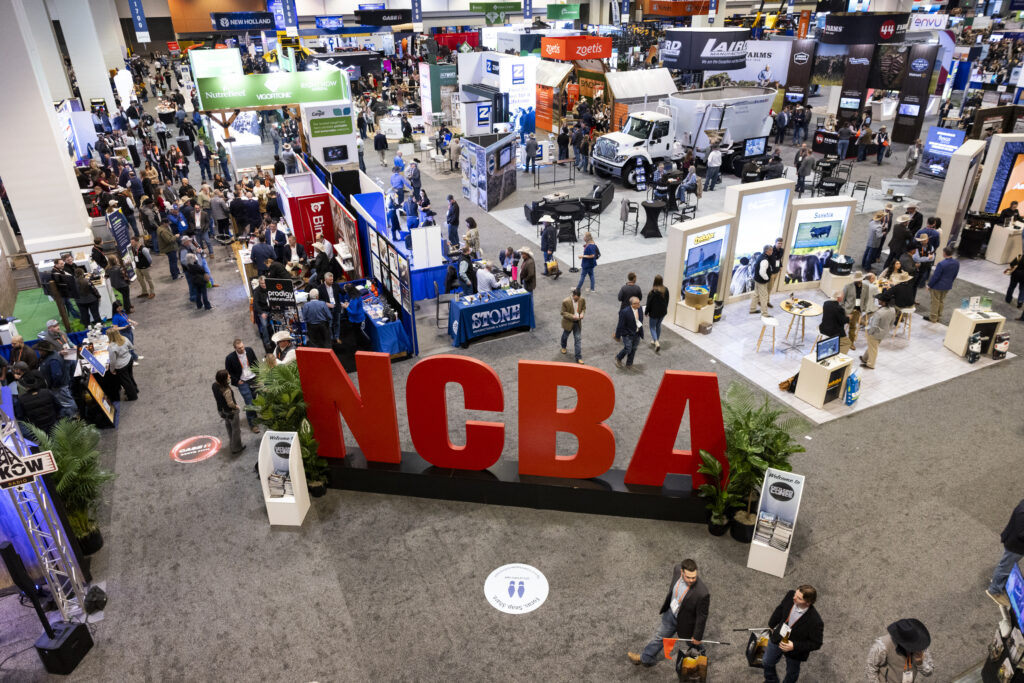
Highlights from the Trade Show
CattleCon 2026 brought the cattle industry together at scale. With more than nine thousand attendees in Nashville, the trade show floor stayed active from open to close, and sessions drew strong participation across policy, market outlook, and production topics.
A Strong Market Conversation
Market outlook sessions reflected what much of the industry is watching closely: historically high cattle prices alongside tight national herd numbers. Cattle producers focused on supply constraints, beef demand strength, and what herd rebuilding may look like in the coming years.
The tone across the event balanced opportunity with discipline. While prices remain favorable, producers are evaluating expansion carefully, considering forage conditions, input costs, and long-term planning.
Policy and Industry Leadership
As always, CattleCon served as a key platform for policy discussions affecting cattle producers nationwide. Trade, animal health, sustainability, and regulatory issues were part of the broader dialogue throughout the three-day event.
Industry leadership meetings and committee sessions reinforced the role CattleCon plays beyond the trade show floor, as a space where direction for the year ahead begins to take shape.
Innovation on Display
The trade show highlighted equipment manufacturers, animal health companies, financial service providers, and technology companies presenting tools designed to support operational efficiency and decision-making.
Digital tools, data platforms, and herd management systems were visibly present among exhibitors, reflecting a steady shift toward more structured data use across cattle operations.
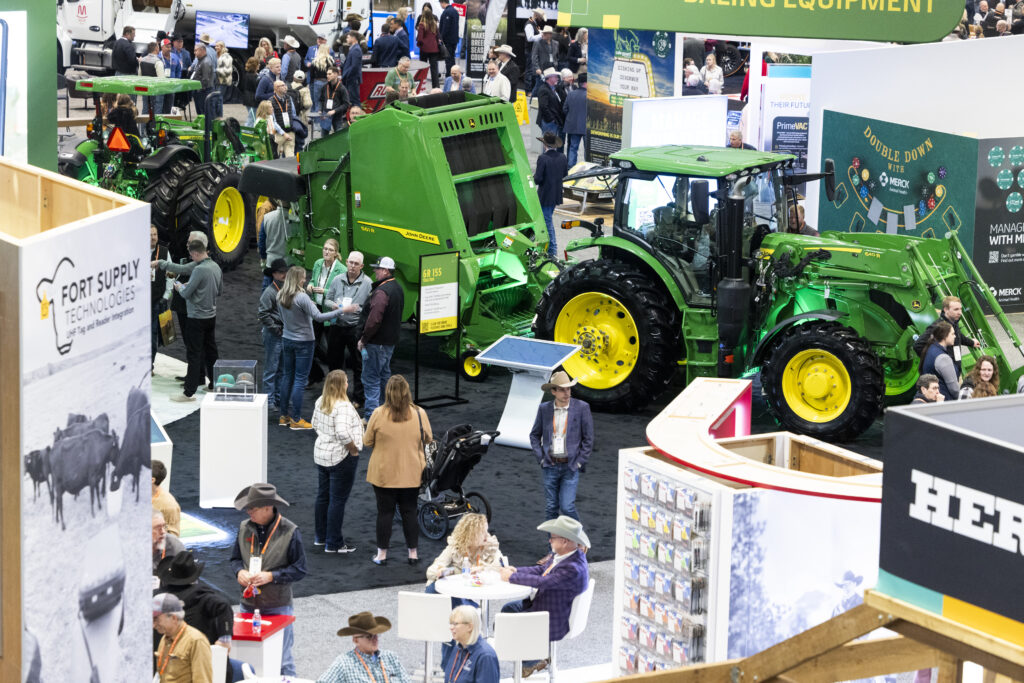
Industry Energy in One Place
Beyond sessions and exhibits, the event created space for connection. Producers from across the country, cow-calf, backgrounding, and feedlot shared perspectives shaped by their regions and operations.
What Cattlytics Brought to CattleCon 2026
CattleCon is where conversations move beyond theory. Producers want to know what works, what scales, and what fits into real operations. That’s exactly what we brought to Nashville.
Solutions built for the entire cattle value chain
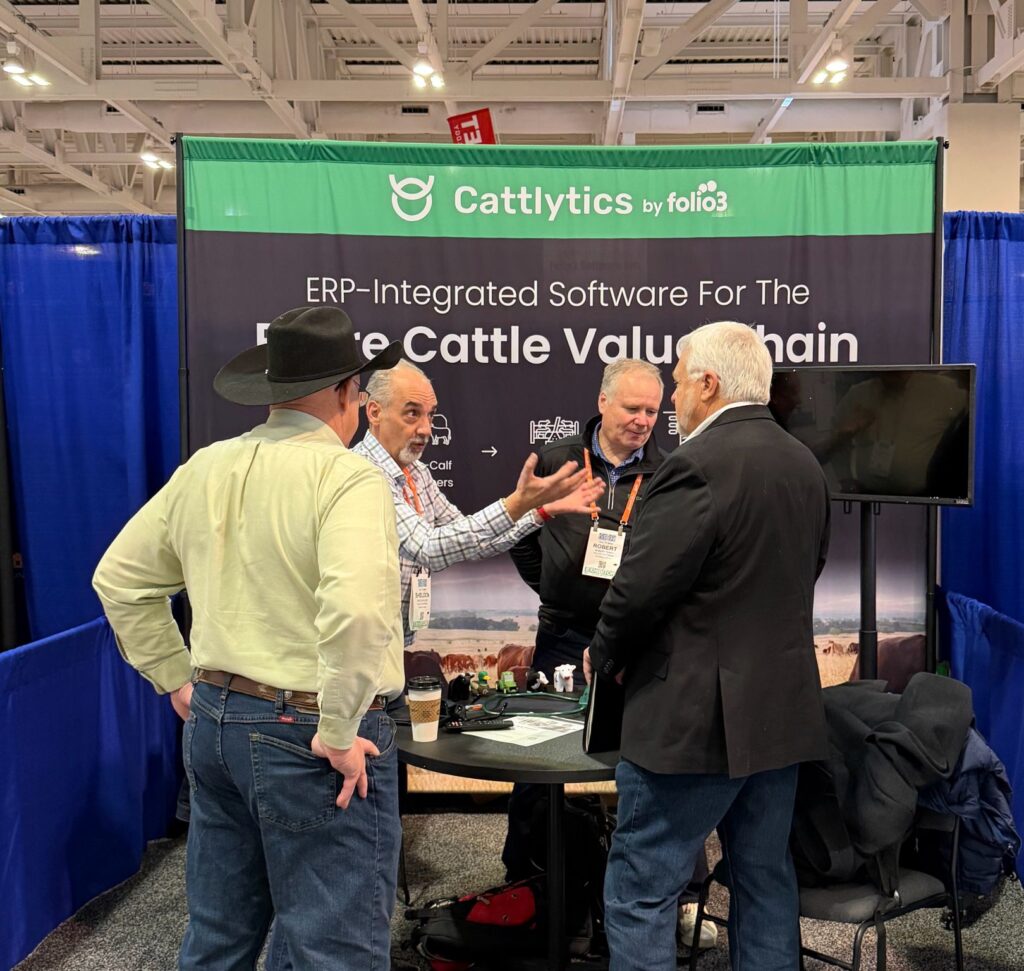
Our conversations weren’t limited to one segment of the industry. From cow calf operations to feedyards and breed associations, we demonstrated how Cattlytics supports the entire cattle value chain. Whether it’s tracking animal performance, managing health data, or connecting operational workflows with agriculture ERPs and financial systems, our focus is on continuity, not disconnected legacy tools for isolated tasks.
Depth Behind the Solutions
One thing that came up repeatedly on the show floor was this: producers are cautious about technology that doesn’t reflect how cattle operations actually run.
That’s where our conversations shifted from features to foundation.
We shared how Cattlytics solutions are engineered by ERP and enterprise system specialists who understand large-scale operational infrastructure, and how those systems are developed alongside livestock industry professionals who know the day-to-day realities of cattle production.
From feed tracking and health management to settlements and financial reporting, the structure behind our solutions reflects how operations function in the real world. That alignment resonated in discussions throughout the week.
Several visitors to the booth were less interested in flashy dashboards and more interested in whether the system understood pen structure, treatment workflows, performance groupings, and cost attribution logic. Those details matter. And that’s where our depth showed.
Connecting operational data to financial systems
One of the most practical demonstrations on the show floor was how operational records connect directly to financial systems. Feed inputs, health treatments, inventory movement, and performance metrics don’t sit in isolation. They feed into structured reporting that supports accurate cost tracking, down to the individual animal level.
That visibility changes how CEOs and CFOs evaluate margins. Instead of relying on averages, they can see where performance is driving profitability and where adjustments may be needed.
CattleCon gave us the opportunity to show that digital infrastructure in cattle production is no longer optional. It is becoming foundational for operations that want clarity, control, and long-term scalability.
Key Takeaways from the Event
CattleCon 2026 made one thing clear: the industry is operating from a position of strength, but not complacency.
Strong prices do not eliminate pressure
Cattle prices remain historically high, and beef demand continues to show resilience. Yet conversations across sessions and on the show floor reflected discipline rather than celebration. Tight national herd numbers, elevated input costs, and labor realities mean operators are still managing carefully.
The opportunity is real. So is the responsibility to manage risk.
Herd rebuilding will take time
With the U.S. cattle herd at multi-decade lows, expansion was a consistent topic in both formal sessions and informal discussions. Weather patterns, forage conditions, capital availability, and long-term market outlook are all influencing decisions.
There was no sense of rapid expansion. Instead, producers appear to be weighing timing carefully, understanding that rebuilding is a multi-year process.
Data visibility is becoming a strategic priority
Perhaps one of the more noticeable shifts was the steady presence of technology and digital infrastructure across the trade show floor. Conversations around recordkeeping, traceability, performance analytics, and financial integration suggest that structured data is becoming more central to how operations evaluate performance.
The theme was not technology for the sake of innovation. It was clarity; knowing costs, understanding performance drivers, and supporting better decisions with reliable information.
CattleCon 2026 reflected an industry that is resilient, realistic, and forward-looking. The fundamentals are strong, but the focus remains on discipline, efficiency, and long-term sustainability.
Cattle Chats Session Recap
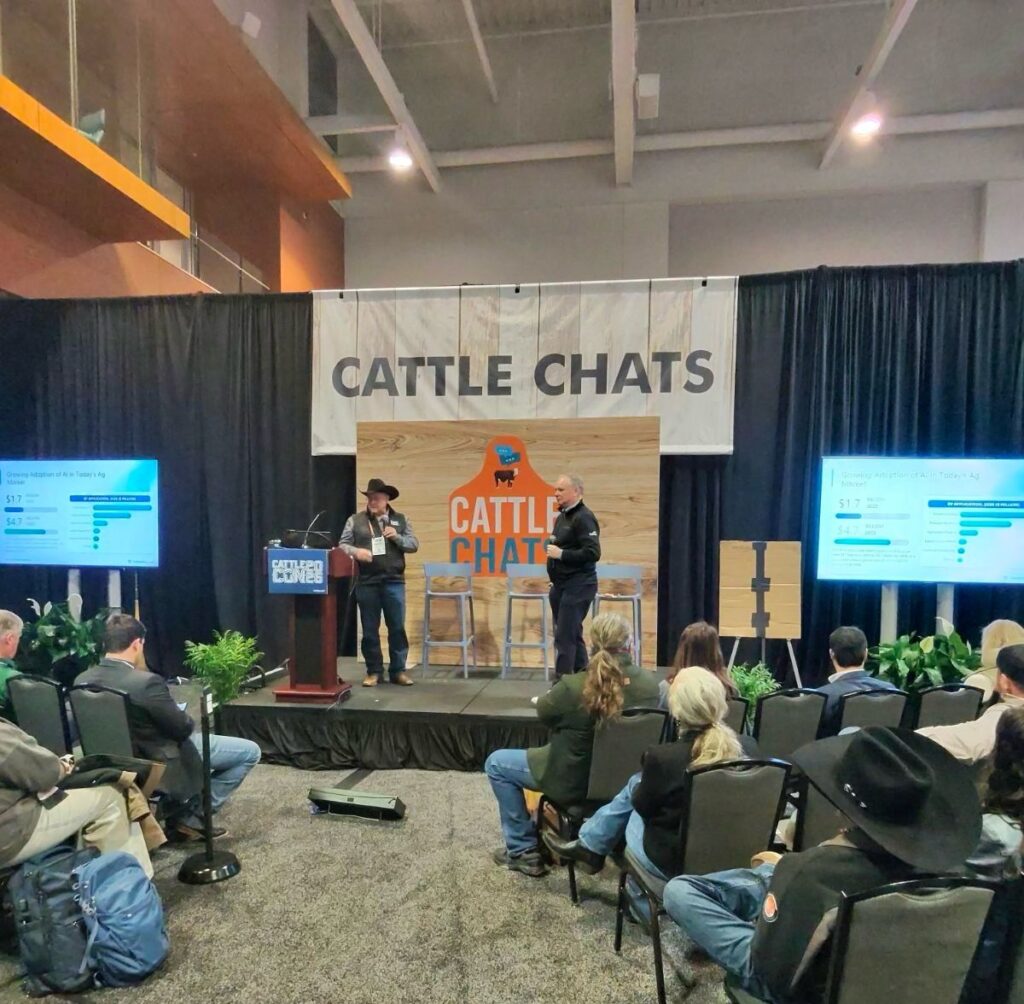
One of the highlights of the week for our team was stepping into the Cattle Chats sessions.
Rob Terry and Harold Birch led discussions on two days, focusing on the growing impact of AI on cattle operations’ profitability.
The sessions covered how AI is being applied across livestock operations today, from early health detection and behavioral monitoring to ration optimization and predictive maintenance in equipment. Rather than positioning AI as a distant future concept, the discussion centered on where it is already delivering measurable value.
They also touched on how AI supports operational efficiency beyond the pen, including forecasting, financial modeling, and workflow automation. A key point throughout the sessions was that AI adoption needs to align with operational capacity and financial planning. Technology should support the business, not complicate it.
The sessions provided an opportunity to outline practical applications and continue conversations afterward with producers interested in exploring how these tools could fit within their own operations.
For our team, participating in Cattle Chats was an important way to contribute to the broader industry dialogue taking place throughout the week.
Looking Ahead
CattleCon 2026 gave us the opportunity to connect with operations across the cattle value chain, from genetics and breed associations to cow-calf producers, feedyards, and processors.
Over the course of the week, we had conversations at different levels of the industry, each focused on their own operational priorities. Some centered on herd performance. Others on cost visibility. Others on system integration and reporting. The needs vary by segment, but the interest in a better operational structure is consistent.
For our team, the event reinforced the importance of building solutions that support each stage of the cattle value chain while allowing data to flow where it needs to go. That work continues beyond the show floor.
We appreciate everyone who stopped by, attended the Cattle Chats sessions, or continued the discussion after Nashville. CattleCon remains an important place for connecting with the industry, and we look forward to continuing those conversations in the months ahead.