
Meet Cattlytics at NCBA’s CattleCon 2026 , Booth 944. Book Now

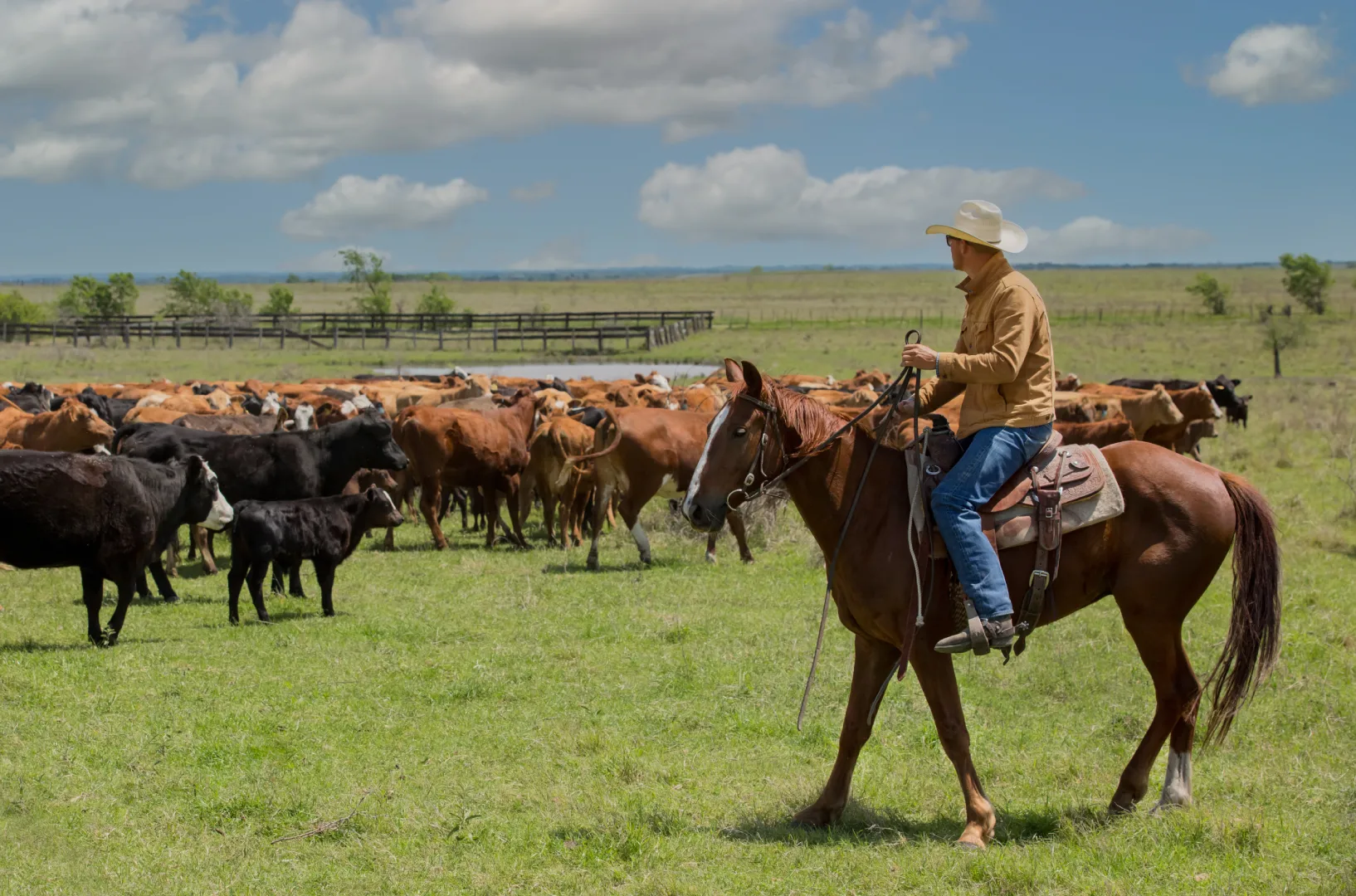
A 12000-head Texas cow-calf operation struggled with breeding records scattered across text messages, notebooks, and filing cabinets. It was leading to missed heats, untraceable open cows, and days of end-of-season reconciliation. After implementing Cattlytics, the ranch achieved a connected breeding timeline from heat to calving outcome, improving pregnancy confirmation to 93% while cutting record-keeping time by 40%.
The herd manager stood at the south pasture gate, trying to remember which cows had shown heat earlier that week. The information existed somewhere, a text message to his brother, a note in the truck, maybe the memory of whoever ran checks on Tuesday. But not here, not now, not when it would actually change what happened next.
It was a 12000-head commercial cow-calf operation in Central Texas. Four pastures, 75-day breeding window, natural service with proven bulls, a crew that had been doing this work for two generations.
The operation wasn't disorganized; it was experienced. But breeding records had grown into a patchwork nobody planned: heat observations living in text threads, bull BSE results sitting in a filing cabinet, breeding dates assumed rather than recorded, pregnancy confirmations generating handwritten lists that lived in a notebook until someone typed them up.
"We ran a tight calving window and had solid bulls, so on paper everything looked right", the herd manager explained, "but when you're standing in the pasture trying to decide whether to move a bull or check a cow, and the information you need is back at the house or buried in last week's texts. So, you're not really managing the season, you're just reacting to it."
The season ran, and work got done. But visibility into the breeding timeline, heat to breeding to pregnancy to calving outcome didn't exist as a connected picture. It existed as fragments.

The fragments carried a cost that only became clear when the team started tallying the failures. Late breedings stretched the calving window because heat observations never translated to timely action. Open cows appeared at preg check with no trail back to what went wrong. Bull assignments happened without checking BSE records because pulling those records meant a trip back to the house and ten minutes digging through a filing cabinet.
"We had three bulls working that south pasture", the herd manager recalled, "and when preg check came back with more opens than we expected, I couldn't tell you which bull covered which cows or whether any of them had been flagged on their BSE. The records existed, I just couldn't connect them to the cows standing in front of me."
Then came the preg check that made the problem impossible to ignore: a cluster of open cows that shouldn't have been open. Not because the heats weren't observed, the crew had seen them cycling. But those observations were never connected to breeding action.
"That preg check was different because I knew we'd seen those cows in heat", the operations manager said. "Someone mentioned it, someone else made a note, but by the time anyone could act on it, the window had closed. We weren't failing at observation; we were failing at follow-through because nothing was connected."
The trigger wasn't dramatic, just a clear look at that preg check and the realization that the information had been there all along, scattered across too many places to use. Before evaluating software options, the team defined what had to change.
They needed one reproductive timeline per animal from heat to calving outcome, heat tracking with cycle history, and upcoming heat visibility. Plus, the bull BSE records should be accessible at turnout rather than buried in a cabinet, pregnancy confirmations tied back to breeding events, and field entry that worked at the chute and synced later.

"We asked ourselves what we actually needed", the herd manager said. "Not bells and whistles, just the ability to see a cow's breeding timeline without making four phone calls and digging through a filing cabinet. If we could log a heat in the pasture and have that information show up when it was time to make a breeding decision, half our problems would disappear."
When the operation evaluated Cattlytics against those requirements, it fit. Not because it promised transformation, but because it matched how they already thought about the breeding season.Implementation started with a deliberate decision: begin clean. Import the current herd inventory, start fresh breeding records from this season forward, and make no attempt to digitize years of scattered history. "We talked about reconstructing old records", the operations manager explained, "But that information was spread across five years of notebooks and three different phones. Starting fresh meant we could focus on getting it right going forward instead of chasing down history too fragmented to trust."

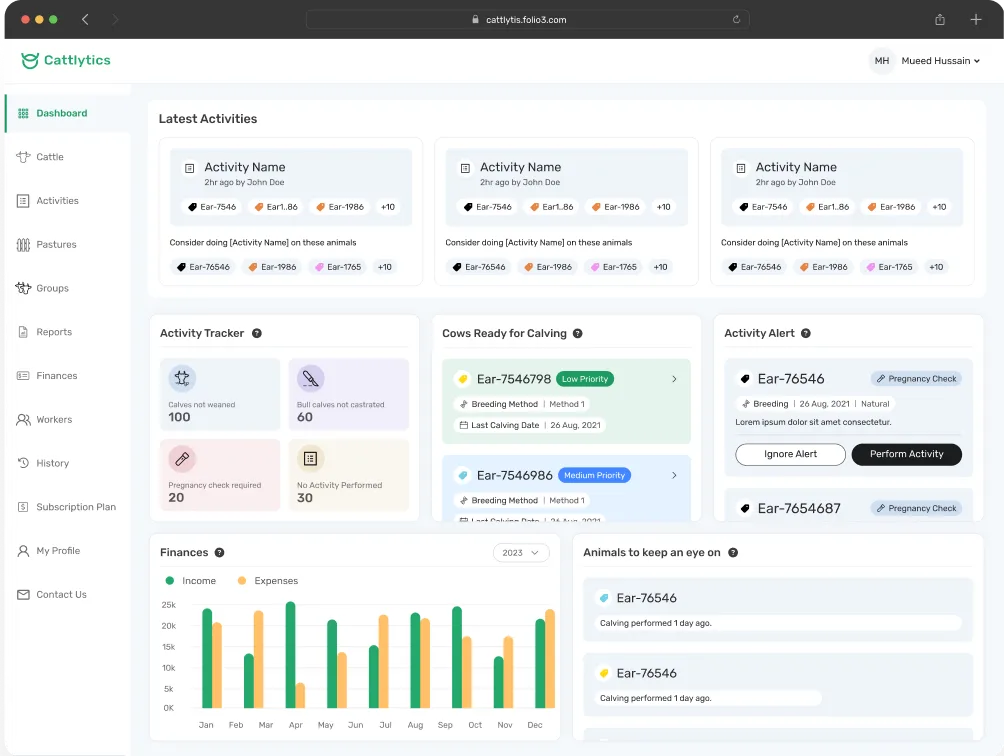
Heat recording came first with standardized entry: date, time, observer, intensity score. Every observation now lands in the same system, attached to the animal record, with cycle history building automatically. Bull BSE records went in before turnout, exam date, result, motility notes with sire history accessible in seconds instead of requiring a trip back to the house.
The Cattlytics implementation specialist guided the setup with clear priorities: "The breeding timeline had to come first as heat recording, bull fertility data, pregnancy tracking all connected to each animal. Once that foundation was solid, everything else would have somewhere to land." The pregnancy workflow ties confirmations back to breeding events, so when a cow comes up open, the whole trail is visible.
Training took two sessions: one for pen-side logging, one for office review and reports. The operation didn't stop to implement the software. They kept working and started recording differently.
The shift appeared in daily operations first. Heat observations get logged during pasture checks and entered in the field before the truck returns to headquarters. Cycle history is visible on every animal record as the system flags cows approaching their next heat. When a heat is observed in the morning, breeding action happens that afternoon because the information is visible to everyone who needs it.
"The first time I logged a heat from the pasture and my brother pulled it up ten minutes later to make a bull decision, I realized we'd been working against ourselves for years", the herd manager said. "The information didn't have to live in someone's head or someone's phone anymore. It was just there, attached to the cow, ready when we needed it."

Weekly rhythms changed as well. Bull assignments are backed by BSE records accessible in seconds at turnout. Pregnancy check scheduling runs from expected dates calculated from the breeding timeline, not reconstructed from memory. Follow-up lists generate automatically: which cows were confirmed, which need rechecks, and which are due.
Season-end transformed entirely, no multi-day reconciliation, the breeding summary pulls directly from the system, and culling decisions are backed by data instead of gut feel. "End of season used to mean a week of detective work", the operations manager noted, "Matching notebook pages to text messages, trying to figure out what actually happened. Now I pull the report and start planning for next year instead of reconstructing this one."
The operation tracked changes across the first full season on Cattlytics. Record-keeping time dropped by approximately 40% as hours previously consumed by double-entry, cross-referencing, and end-of-season cleanup disappeared. Data enters once at the point of observation and stays connected.
Missed heats; observations that never translated to breeding action declined by 25 to 30%, meaning fewer cows falling through the cracks between seeing a heat and acting on it. Pregnancy confirmation rate improved to 93%, up from the 86 to 88% range the operation had maintained over the previous three years, as the connected timeline enabled earlier problem identification and faster intervention.

The operation continues building toward expanded EID scanning for faster chute-side entry and health record integration to unify reproduction and animal health in one timeline.
"The numbers matter, but what really changed is that we can finally see the breeding season while it's happening", the herd manager reflected. "We're not guessing anymore. We know where every cow stands, and we can act on it before the window closes."

50% Off During CattleCon Week. Save Before CattleCon Ends. Valid until February 5