
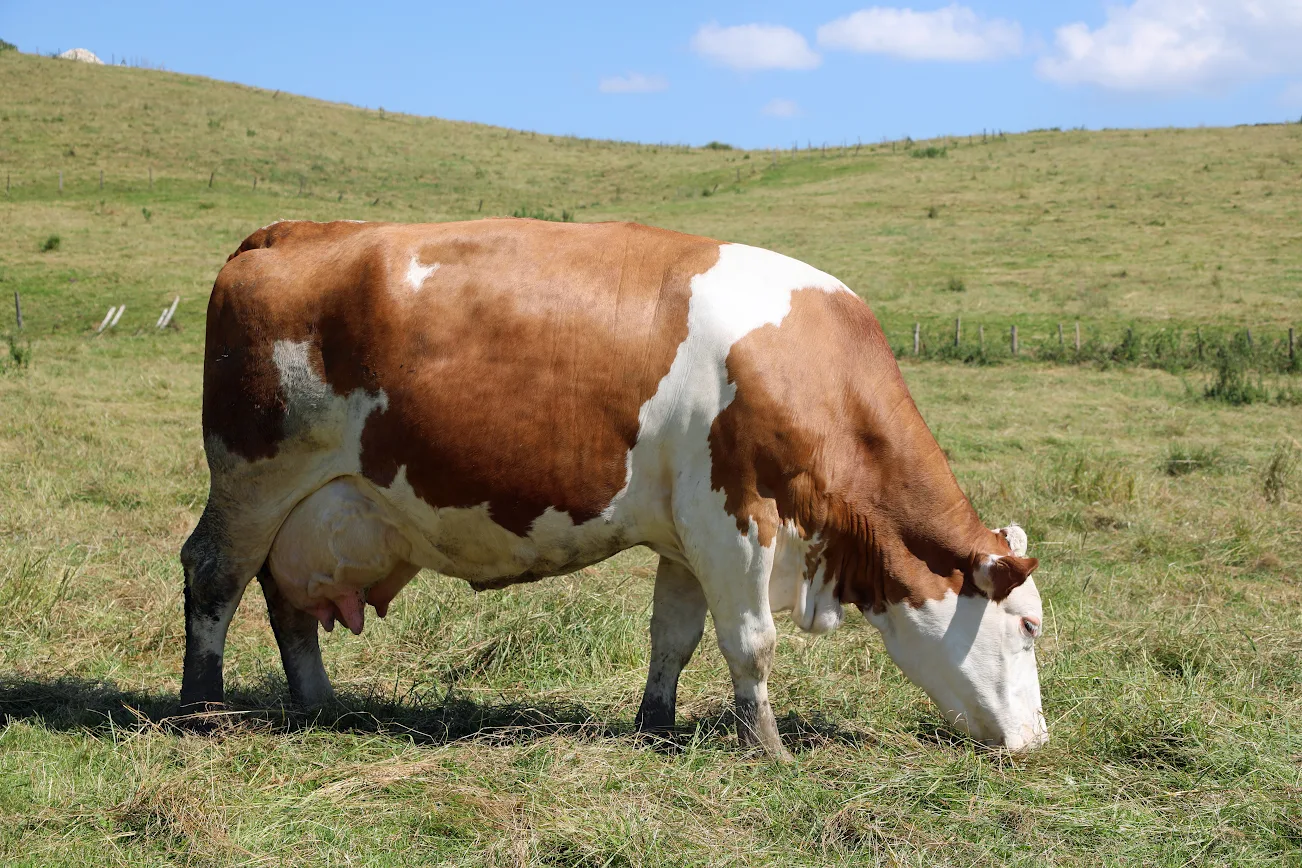

According to the USDA NAHMS Beef study, calf death loss on U.S. beef cow-calf operations averages around 5.5%, with a significant portion of those losses tied to calving complications that go undetected or unmanaged in time. That number is not just a statistic. For most cow-calf producers, every lost calf represents real money, real time, and often a lot of frustration.
If you are heading into calving season, knowing the signs of calving in beef cattle before they happen is one of the most practical things you can do. Not every cow will give you hours of warning. But most will give you something to work with if you know what to look for.
In this guide, you will find a clear breakdown of every major sign of calving in beef cattle, what it looks like in practice, how far out it typically shows up, what to watch for in first-calf heifers, and how to tell when something is going wrong. You will also find guidance on the key differences between normal labor signs and situations that need immediate intervention.
How Long Do Cows Stay Pregnant?
Before diving into the signs of calving, it helps to understand the timeline you are working with.
The average cow gestation period runs between 279 and 287 days, roughly nine months. Most beef cows land right around 283 days from the breeding date. Heifers carrying their first calf often come in a few days shorter on that range.
If you know when your cow was bred or inseminated, you can calculate a rough expected calving date and begin watching more closely in the two to three weeks leading up to it. That window is where the pre-calving signs of calving in beef cattle start to become visible and useful.
Keep in mind that gestation length can vary by breed. Angus cows tend to sit toward the shorter end. Continental breeds like Charolais and Simmental often run a few days longer. For a deeper look at how pregnancy progresses across all three trimesters, you can read through the cattle gestation period guide on Cattlytics for breed-specific context.
Signs of Calving in Beef Cattle: The Full Picture
Most cows will show several of these signs together, not just one. The more signs stacking up at the same time, the closer she likely is to calving. Here is what to watch for.
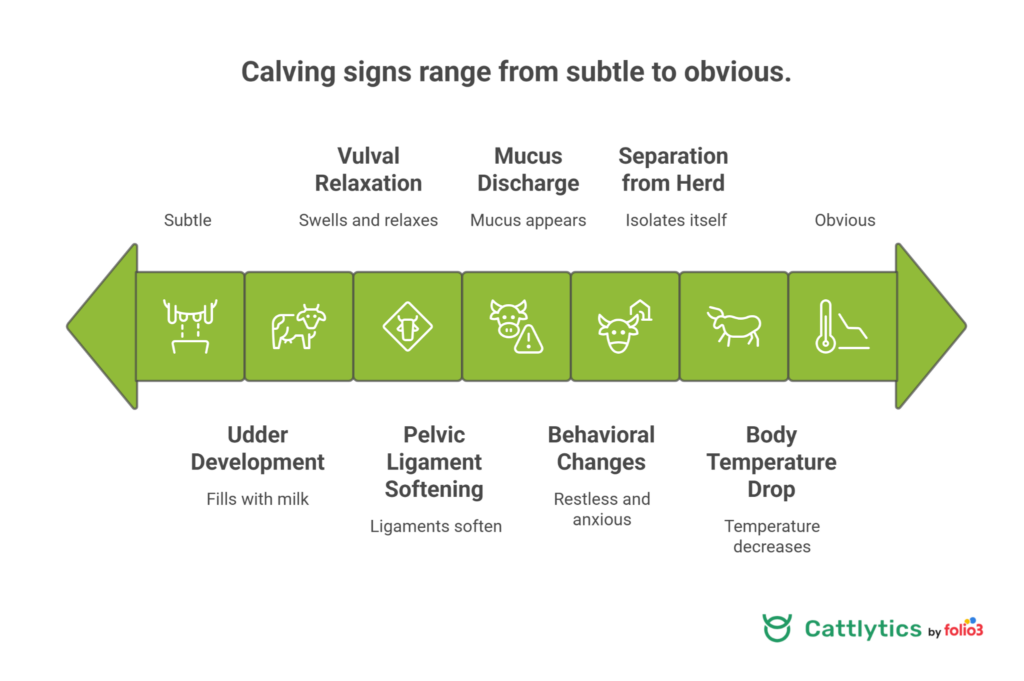
1. Udder Development and Filling (Bagging Up)
This is usually the first visible sign you will notice. As a pregnant cow approaches her calving date, her udder starts to enlarge and fill with colostrum, the first milk her calf needs in those critical hours after birth.
Most cows begin “bagging up” several weeks before calving, but the change accelerates noticeably in the final week. You will see the udder become tight and round with no visible skin folds or wrinkles. The teats will begin to splay outward at a slight angle instead of pointing straight down.
In high-producing cows, you may even see colostrum leaking from the teats in the 24 to 48 hours before birth. That is a reliable indicator that calving is very close.
What to watch for in first-calf heifers: Heifers are less predictable here. Some bag up significantly weeks early. Others do not show much visible change until they are nearly in labor. Do not use udder size alone as your primary indicator in first-calf heifers.
Approximate timeline: Gradual growth begins 2 to 6 weeks out. Rapid filling typically occurs in the final 3 to 7 days.
2. Vulval Relaxation and Swelling (Cow Springing)
This is the sign that makes many producers do a double-take the first time they see it. “Cow springing” refers to the relaxation and swelling of the vulva as the cow’s body prepares for birth. The ligaments and soft tissue around the vulva loosen, causing it to appear noticeably enlarged, puffy, and often drooping.
In the final 24 to 48 hours before calving, the swelling becomes even more pronounced. Some cows will show visible movement in the vulva area as they walk. You may also notice the skin around the tailhead area becoming loose and sunken, which connects directly to ligament relaxation.
This sign is one of the clearest pre-calving signs of calving in beef cattle when it is severe. However, early-stage swelling can be subtle and easy to miss if you are not checking regularly.
Approximate timeline: Early softening can appear 2 to 4 weeks before calving. Significant swelling is typically seen in the final 48 to 72 hours.
3. Pelvic Ligament Softening (Pin Bones Before Calving)
This is probably the most discussed and most misread sign among producers, especially those who are newer to calving. Understanding what you are looking for here can save you a lot of guessing.
The pelvic ligaments run from the tailhead down to the pin bones (the bony prominences on either side of the base of the tail). As calving approaches, these ligaments soften and relax to allow the pelvis to widen for the calf to pass through.
When the ligaments have softened, the area on each side of the tailhead will appear noticeably sunken or hollow. The tailhead will look raised and prominent, almost like it is “floating.” You can also feel this by running your hand along the ligaments. They will feel almost absent compared to their normal firm state.
Looking at cow’s pin bones before calving compared to normal is a reliable method for estimating how close she is. When you can fit your thumb and index finger into the hollow on either side of the tailhead with almost no resistance, calving is typically within 12 to 24 hours.
An important note on beef cows: In heavily muscled beef breeds, or cows in higher body condition, this change can be harder to detect visually. You may need to rely more on feel than on sight. This is one of those signs that gets easier with practice.
Approximate timeline: Early ligament relaxation can begin 2 to 3 weeks before calving. The most significant relaxation occurs in the 12 to 24 hours before birth.
4. Mucus Discharge
As calving approaches, the cervical plug that has sealed the uterus throughout pregnancy begins to break down and pass. This results in a thick, stringy, clear to slightly cloudy mucus discharge visible under the tail.
You may notice it hanging from the vulva, or see dried discharge on the tail or the backs of the legs. This discharge is completely normal and expected. It is one of the more reassuring pre-calving signs of calving in beef cattle because it confirms that the cervix is beginning to open.
The discharge will become more watery and appear in greater volume as labor progresses. When you see a larger rush of clear fluid, that is typically the amniotic sac or water bag beginning to rupture, which signals that active labor is underway.
What to watch for: A yellow or brownish discharge, or a foul-smelling discharge, can indicate a problem. This is covered in more detail in the section on warning signs below.
Approximate timeline: Mucus discharge can appear 1 to 2 weeks before calving, but most commonly shows up in the final 24 to 72 hours.
5. Behavioral Changes and Restlessness
Signs of labor in cows often start with behavior, not physical symptoms. A cow that is approaching active labor will act differently from her normal routine. The degree of change varies by individual, but here is what you are typically looking for.
In the early stages, which can be 12 to 24 hours before delivery, you may see the cow separate herself from the herd. She may pace the fence line, refuse to eat, or repeatedly lie down and stand back up. Some cows will repeatedly look back at their flank, kick at their belly, or press their head against a wall or fence panel.
As labor intensifies, these behaviors become more frequent and exaggerated. She may show signs of physical discomfort, including arching her back, straining, and vocalizing. Some cows are quiet throughout. Others are not.
First-calf heifers tend to show more pronounced behavioral changes earlier, largely because labor is unfamiliar and more uncomfortable for them. Older, experienced cows often show subtler behavioral shifts and may continue eating and acting relatively normal until they are much closer to delivery.
6. Separation from the Herd
Tied closely to behavioral changes is the tendency for a cow that is about to calve to isolate herself. In a pasture setting, she will often walk to a corner, tree line, or other sheltered area away from the main group.
This instinct is natural. In a managed operation, though, it can work against you if your cow finds a spot that is hard to monitor or that puts the calf in a bad situation after birth. If you notice a cow consistently hanging away from the herd, that is a signal worth paying closer attention to.
7. Body Temperature Drop
This is a less commonly used but reliable indicator. A cow’s rectal temperature will typically drop slightly, to around 101°F or lower, in the 12 to 24 hours before calving. Normal temperature for cattle is between 101.5°F and 102.5°F.
This is not a foolproof method, and temperature variation can happen for other reasons. But if you are already tracking a cow closely based on other signs, a temperature dip can help confirm that calving is very near. It is worth considering if you have cows that are notoriously difficult to read by external signs alone.
Signs of Calving: A Quick Reference Timeline
| Sign | When It Typically Appears |
| Udder filling (bagging up) | 2 to 6 weeks before, accelerates in final week |
| Vulval swelling (cow springing) | 2 to 4 weeks before, pronounced in final 48 to 72 hours |
| Pelvic ligament relaxation (pin bones) | 2 to 3 weeks before, most visible in final 12 to 24 hours |
| Mucus discharge | 1 to 2 weeks before, increases in final 24 to 72 hours |
| Behavioral changes and restlessness | 12 to 24 hours before |
| Separation from herd | 12 to 24 hours before |
| Body temperature drop | 12 to 24 hours before |
| Water bag visible | Active labor beginning, delivery within hours |
What Happens During Active Labor
Once the active stage of calving begins, things typically move quickly. Most beef cows will deliver without assistance, but understanding what normal active labor looks like helps you recognize when something is off.
You will typically see the water bag (amniotic sac) appear first. It looks like a pale, fluid-filled balloon protruding from the vulva. Do not break it. This is normal.
After the water bag, you should see two front hooves appear, soles facing down, followed by a nose resting on top of the legs. This is the correct presentation. From the time active straining begins, most cows will deliver within one to two hours. Heifers may take longer.
For more detail on what occurs during each phase, the calving stages guide walks through the full process from early labor through delivery and postpartum care.
Signs of a Dead Calf in a Cow
Recognizing the signs of a dead calf in a cow before delivery is critical, both for the calf’s outcome and for the cow’s health. A retained or decomposing fetus creates a serious risk of infection and can be life-threatening to the cow.
Here are the signs to watch for:
- Lack of normal labor progression. A cow showing signs of labor, including straining and restlessness, but not delivering after two to four hours of active effort, warrants a veterinary call. This alone does not confirm a dead calf, but it signals that something is wrong.
- Foul-smelling or discolored discharge. A dark brown, green, or foul-smelling discharge coming from the vulva before or during labor is a serious warning sign. This can indicate fetal death and decomposition.
- Absent fetal movement. During a manual examination, a live calf will typically respond to touch with movement. No movement can indicate fetal compromise or death.
- Extended pregnancy with no calving. If a cow has passed her expected calving date by more than two weeks without any progress, this warrants a veterinary evaluation.
- Any time you suspect a problem with a calf’s viability or a cow’s ability to deliver, call your vet. Attempting to manually assist without proper training can make the situation significantly worse.
When to Intervene and When to Wait
One of the most common mistakes during calving season, especially for newer producers, is intervening too early. Most cows do not need help. Pulling a calf before a cow is ready can cause serious injury to both the cow and the calf.
Give the cow time in early labor. The early phase of labor can last 6 to 12 hours. Restlessness and mild discomfort during this phase are normal. Unless there is a clear sign of distress, observe from a distance.
Act when you see these situations:
- Active straining for more than 30 minutes with no visible progress
- Water bag has been visible for more than 30 to 45 minutes with no calf following
- One foot is visible, but the presentation looks wrong (one leg back, or legs without a head)
- The calf appears, but is not making further progress
- The cow becomes extremely distressed or collapses
If you have not already done so, review how to manage the health of newborn calves so you are prepared for what comes immediately after delivery, including colostrum timing, warming a cold calf, and navel care.
Signs of Calving in Beef Cattle vs. Dairy Cows
Most of the signs of calving in beef cattle are the same across all breeds, but there are a few practical differences worth knowing.
Beef cows, especially in heavier muscled breeds, tend to show less visible pelvic ligament relaxation than dairy cows. Their body condition and muscle mass can mask the hollowing around the tailhead that is so obvious in leaner animals.
Beef cows also tend to calve with less human monitoring than dairy cows and are often better at managing the process without intervention. That said, first-calf beef heifers have a notably higher risk of dystocia than mature cows. The smaller pelvic opening and the cow’s inexperience both play a role. For more on the risk factors and how breeding decisions affect calving ease, the bull selection criteria guide on Cattlytics covers calving ease EPDs in detail.
First-Calf Heifers: What to Expect
If this is your heifer’s first calf, she deserves extra attention during calving season. Dystocia rates are significantly higher in first-calf heifers than in mature cows, and the consequences can be severe for both animals.
Here is what is different with heifers:
- Physical readiness. A heifer’s pelvis is still maturing. Breeding heifers too young or to bulls with high birth weight EPDs increases the risk of a calf that is too large to pass through the birth canal without assistance.
- Behavioral signs. Heifers often show more visible signs of discomfort and anxiety in early labor. They may also be more likely to reject or neglect the calf after delivery, especially if the birth was difficult or if there was a lot of human intervention.
- Monitoring schedule. First-calf heifers should be checked at least every two to four hours during the expected calving period. Some producers move to check every one to two hours in the final days.
To put your heifer’s nutrition and body condition into context, it helps to understand the full cattle care picture for calf rearing and herd health as you prepare for the season.
Using Technology to Track Calving Readiness
If you are managing a large herd, trying to catch every sign of calving in beef cattle across multiple animals by eye alone is a significant challenge. Missing a difficult calving in a remote pasture at night is a real risk for larger operations.
This is where cattle management software adds practical value. Tools like Cattlytics cow-calf software let you track expected calving dates based on breeding records, set alerts as cows approach their due dates, log observations over time for each animal, and keep records that help you spot patterns across seasons.
Knowing which cows are due when, which ones have a history of difficult deliveries, and which heifers need more monitoring allows you to prioritize your time and reduce the chance of a missed calving. That kind of organized record-keeping also makes a real difference when you are working with a vet or making culling decisions after the season ends.
For operations that are growing and managing more animals than before, the beef cattle farming guide also covers how to set up a calving management system that fits your scale.
Preparing for Calving Season
Knowing the signs of calving in beef cattle is only half of the equation. The other half is being ready when it happens.
Here is a practical pre-calving checklist:
Clean and prepare your calving area. Whether you are using a dedicated calving pen or a section of pasture, it should be clean, dry, and sheltered. A wet, muddy environment in the first hours of a calf’s life significantly increases the risk of scours and other early health issues.
Have your calving kit ready. At a minimum, you should have obstetrical chains and handles, a calf puller for difficult deliveries, lubricant, a clean bucket and warm water, iodine for navel dipping, colostrum supplement or frozen colostrum as backup, an esophageal feeder for tube feeding a weak calf, and your vet’s phone number accessible.
Know your vet’s emergency line. Every calving season will produce at least one situation that requires professional help. Have that number accessible before you need it.
Review your herd records. Cows that had difficult deliveries in previous seasons are higher risk this time around. Knowing that going in lets you watch them more closely. If you are using Cattlytics cattle management software, your historical calving records are a few taps away.
Monitor more frequently in the final two weeks. As cows begin to show signs of calving, increase your check frequency. Early morning and late evening checks are the minimum. Many experienced producers check every two to four hours during peak calving.
What Happens Right After Calving
Once the calf is born, your job is not done. The first few hours after delivery are critical.
The cow should be licking and stimulating the calf within a few minutes of delivery. This is normal and important. If she is not engaging with the calf, observe for a few minutes before intervening. Some cows, especially heifers, take a little longer to come around.
The calf should attempt to stand within 30 minutes and should be nursing within two hours. Colostrum intake in the first two to four hours of life is not optional. It is what gives the calf the antibodies it needs to survive the first weeks of life. A calf that has not nursed within two to three hours should be helped to the teat, or fed colostrum via tube feeding if the cow is rejecting it.
For a full breakdown of what to do once the calf is on the ground, the newborn calf health guide is a good next read.
Pay attention to the cow’s recovery as well. The placenta should be passed within 12 hours of delivery. A retained placenta beyond 24 hours is a concern and your vet should be contacted. Watch for any signs of infection, excessive bleeding, or reluctance to stand.
And once calving season wraps up, your next window opens quickly. Understanding your cows’ cattle breeding cycle and getting cows rebred in a tight window is what drives profitability in a cow-calf operation year over year.
Conclusion
The signs of calving in beef cattle do not always show up at a convenient time, and they do not always follow a perfect schedule. But when you know what to look for, from the early changes in udder development to the final hours of pelvic ligament relaxation and behavioral shifts, you are in a much better position to act when it matters.
The key points to remember:
- Calving takes time. Cow gestation is close to 283 days, and the final two to three weeks are when the most visible signs of calving start to stack up. Track your breeding dates so you know when to start watching.
- Physical signs come first. Udder filling, cow springing (vulval relaxation), and pelvic ligament softening are your best early indicators. The more of these you see together, the closer she is.
- Behavior confirms what the body is showing. Restlessness, isolation, and refusal to eat are reliable indicators that labor is near.
- First-calf heifers need more attention. Their risk of a difficult delivery is higher, and their behavior during labor is often less predictable.
- Intervene at the right time. Give cows space in early labor. Act when active straining produces no progress after 30 minutes, or when the presentation looks wrong.
- Technology helps at scaling. Tracking expected calving dates, recording observations, and maintaining herd history make calving season more manageable, especially as your herd grows.
If you are ready to get your herd records in order before the next calving season starts, Cattlytics cow-calf software is built specifically for operations like yours.
FAQs
What Are The First Signs That A Cow Is About To Give Birth?
The first signs a cow is about to give birth include rapid udder filling, swelling and relaxation of the vulva (sometimes called cow springing), and softening of the pelvic ligaments around the tailhead. These changes are often visible one to three weeks before calving, but they accelerate significantly in the final 24 to 48 hours. Behavioral changes like restlessness and separation from the herd are also common in the 12 to 24 hours before delivery.
How Long After A Cow Shows Signs Of Calving Will She Actually Deliver?
It depends on which signs you are observing. Early signs like udder bagging and ligament relaxation can appear days or even weeks before calving. The most reliable window is when you see active straining and visible discharge increasing: most cows will deliver within 12 to 24 hours from that point. Once the water bag is visible, delivery typically follows within 30 to 60 minutes in a normal birth.
What Is Cow Springing And When Does It Happen?
Cow springing refers to the relaxation and swelling of the vulva as a cow’s body prepares for labor. The tissue softens and enlarges, and in more pronounced cases the vulva may visibly sway or bounce as the cow walks. It is caused by hormonal changes that relax the ligaments and soft tissues of the birth canal. It typically begins two to four weeks before calving and becomes much more visible in the final two to three days.
What Are The Signs Of A Dead Calf In A Cow?
Signs that a dead calf may be present include a foul-smelling or dark-colored vaginal discharge, a cow showing prolonged straining without progress, a cow past her expected calving date by more than two weeks with no signs of labor, or a manual examination finding no fetal movement or responsiveness. These situations require immediate veterinary attention. A retained or decomposing fetus puts the cow’s life at risk.
How Do You Know When A First-Calf Heifer Is Close To Calving?
With first-calf heifers, you use the same physical signs as with mature cows: udder development, vulval relaxation, pelvic ligament softening, and mucus discharge. However, heifers are less predictable. Their ligament changes may be subtler, and they tend to show more visible anxiety and behavioral distress earlier in the process. Because heifers have a higher risk of difficult deliveries, they should be monitored more frequently in the final two weeks, with checks every two to four hours during the active calving window.
How Long Does The Calving Process Take From Start To Finish?
The full calving process, from the start of early labor to delivery, can take anywhere from 6 to 12 hours in a normal presentation. The early phase, which involves cervical dilation, can be long. Active pushing typically lasts one to two hours in mature cows. Heifers often take longer. If active straining has been occurring for more than 30 minutes with no visible calf or progress, intervention or a vet call is warranted.