
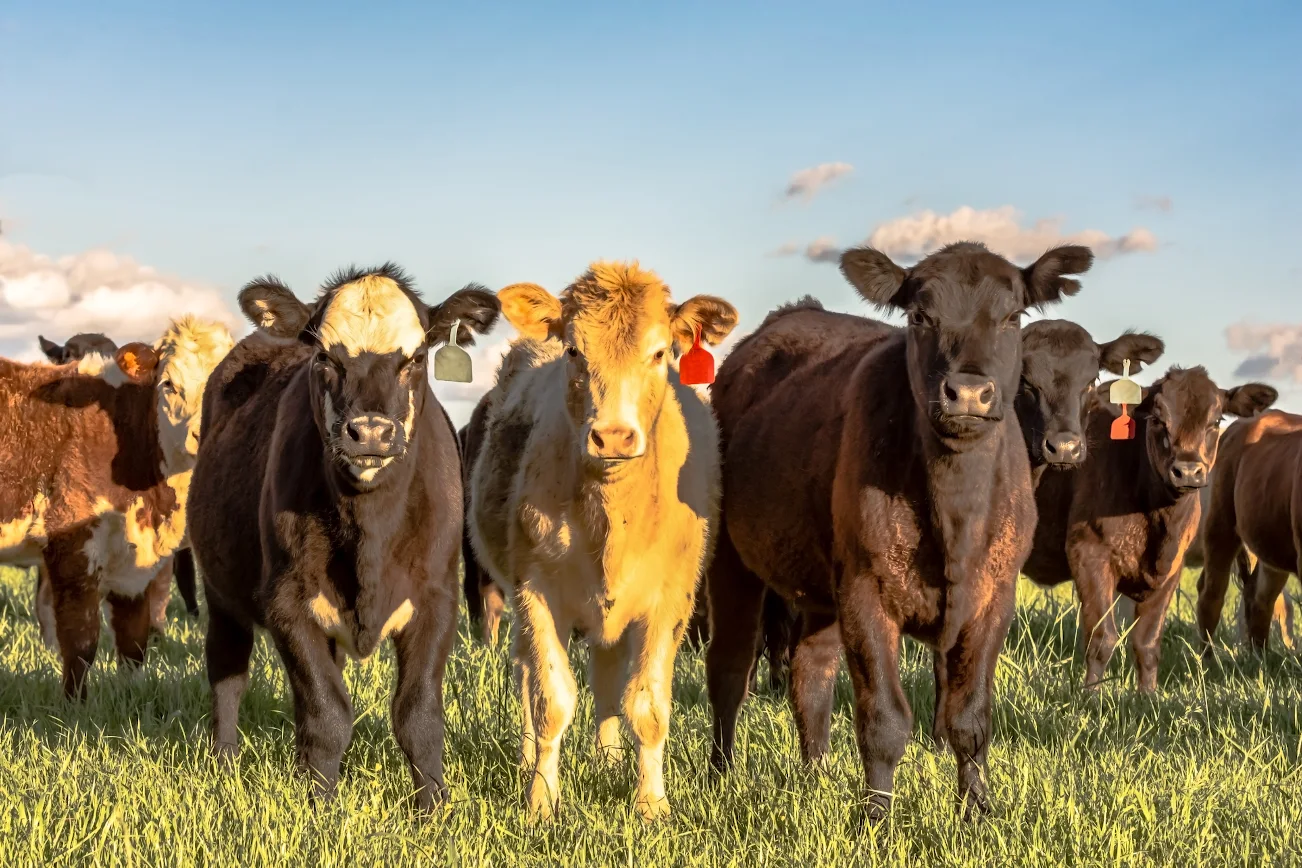

The U.S. cattle herd dropped to 86.2 million head as of January 1, 2026, the lowest level in 75 years, according to USDA’s National Agricultural Statistics Service. With fewer cattle available and feeder calf prices climbing past record highs, the stocker cattle segment has become one of the most talked-about opportunities in the beef industry. Whether you are a cow-calf producer looking to add value before selling or a new operator wanting to enter the beef supply chain, understanding stocker cattle is key to making smart decisions.
This guide covers everything you need to know about stocker cattle, including what they are, how a stocker cattle operation works, and how stocker calves differ from feeder calves. You will also learn about sourcing, health management, nutrition planning, marketing, and how technology can help you track performance across your stocker cattle herd. If you have been considering the stocker segment or want to improve your current operation, this is where to start.
What Are Stocker Cattle?
Stocker cattle are weaned calves, typically between 6 and 9 months old, that weigh anywhere from 350 to 700 pounds. These animals have been separated from their mothers and are placed on grass, forage, or a combination of supplemental feed to gain weight before they move to a feedlot.
So, what is a stocker cow in practical terms? Despite the name people often use, stocker cattle are not cows. They are young steers and heifers that sit between the weaning stage and the feedlot finishing stage. The term “stocker cow” is a common search phrase, but what people really mean is a stocker calf that is being grown out on pasture.
The purpose of stocker cattle is simple. You buy them at a lighter weight, grow them on forage to add pounds, and then sell them at a heavier weight to feedlot operators. The profit comes from the difference between your purchase price and your selling price, minus the costs of pasture, health, and management.
Stocker cattle fill a critical gap in the beef production chain. Without the stocker phase, calves would go directly from weaning to high-cost grain finishing, which is not always economically efficient. The stocker stage lets young cattle grow on lower-cost forages before entering expensive feedlot rations.
How a Stocker Cattle Operation Works
A stocker cattle operation is built around buying lightweight cattle, putting pounds on them through grazing or supplemental feeding, and selling them at a higher weight. The goal is to maximize weight gained per dollar spent on inputs.
Most stocker operations follow a seasonal pattern. Operators buy stocker cattle in the spring when freshly weaned calves hit the market. These calves graze through the growing season and are sold in the fall when pasture quality declines. The holding period for a typical stocker operation runs between 60 and 120 days, though some operators run cattle longer depending on forage availability and market conditions.
Key Components of a Stocker Operation
There are a few things every stocker operation needs to get right:
- Sourcing: Finding the right calves at the right price is the foundation of profitability. This means knowing what to look for at auction or through private treaty sales. The best stocker operators build relationships with cow-calf producers who can guarantee vaccine history and weaning status.
- Pasture and forage: Your grazing program determines how much weight your stocker cattle gain each day. Operators who practice rotational grazing tend to get more consistent gains because their pastures recover between grazing periods.
- Health protocols: Processing stocker cattle on arrival with vaccinations, deworming, and castration (if needed) reduces the risk of disease outbreaks that can wipe out your margins.
- Record keeping: Tracking weights, health events, costs, and daily gains for every group of stocker cattle tells you whether you are actually making money or just staying busy.
Unlike a cow-calf operation where you maintain a breeding herd year-round, a stocker operation can be more flexible. You do not need to carry cattle through winter if you do not want to. That lower overhead is one of the biggest appeals of the stocker cattle business model. Operators with limited acreage or full-time jobs off the ranch often find that running stocker cattle fits their situation better. Understanding how backgrounding cattle relates to the stocker phase helps you see where your operation fits in the supply chain.
Stocker Calves vs Feeder Calves: What Is the Difference?
This is one of the most common questions in the cattle industry, and the answer matters for your buying and selling decisions.
Stocker calves are lightweight, recently weaned cattle that are placed on pasture or forage programs to gain weight. They typically weigh 350 to 600 pounds and are not ready for the feedlot. The focus with stocker calves is frame growth and overall development rather than rapid finishing.
Feeder calves are older, heavier cattle that are ready to go directly into a feedlot for grain finishing. They typically weigh 600 to 900 pounds and have already gone through a growing phase, whether on grass or through a backgrounding program. Feeder calves are what feedlot buyers are shopping for.
Here is a breakdown of the key differences:
| Factor | Stocker Calves | Feeder Calves |
| Weight range | 350 to 600 lbs | 600 to 900 lbs |
| Age | 6 to 9 months | 9 to 14 months |
| Feed source | Pasture and forage | Grain-based feedlot rations |
| Goal | Frame growth and weight gain | Finishing for market weight |
| Buyer | Stocker operators | Feedlot operators |
| Time to market | 60 to 120 days on grass | 120 to 180 days on feed |
The transition from stocker calves to feeder calves is the value-add that stocker operators provide. You take a lightweight calf, grow it on lower-cost forage, and sell it as a feeder-ready animal. The American Farm Bureau Federation noted that feeder cattle supplies remain historically tight, which means well-conditioned stocker calves command top prices.
Worth noting: feeder calves and stocker calves are not always separate animals. The same calf can be a stocker calf today and a feeder calf three months later once it has gained enough weight.
How to Source Stocker Cattle the Right Way
Buying stocker cattle is where most of your profit or loss is determined. Overpay at the front end or buy unhealthy calves, and no amount of good pasture will save your margins.
Auction Buying vs Private Treaty
Most stocker cattle are purchased through livestock auctions, video sales, or private treaty agreements. Each approach has tradeoffs.
Auction buying gives you access to a wide selection of stocker cattle, but you are often buying animals with unknown backgrounds. Calves that come through auction are exposed to stress and commingling, which increases the risk of bovine respiratory disease (BRD).
Private treaty purchases from known cow-calf producers tend to cost more per head, but the health outcomes are usually better. When you know the vaccination history and weaning method of the calves, you can budget more accurately and spend less on treatment costs later.
What to Look for When Buying
When buying stocker cattle, pay attention to:
- Weaning status: Calves that have been properly weaned for at least 30 to 45 days before purchase perform significantly better. Freshly weaned calves that are still bawling are at high risk for respiratory illness.
- Vaccination records: Preconditioned calves with documented vaccinations for BRD, clostridial diseases, and other common illnesses will cost more upfront but save you money on treatments. Reliable beef cattle vaccines are critical to reducing death loss in stocker cattle.
- Castration status: Intact bull calves require more handling, carry higher health risks during late castration, and are discounted at sale. Understanding the best castration timing for calves helps you decide whether buying uncastrated calves is worth the discount.
- Body condition and uniformity: A group of stocker cattle that looks similar in frame size and body condition will gain more evenly than a mixed lot. Uniformity also brings better prices when you sell.
Health Management for Stocker Cattle
Health is the single biggest risk factor in a stocker cattle operation. A BRD outbreak in the first two weeks after arrival can cost you more than just the treatment bill. Sick calves eat less, gain slower, and sometimes die. Even recovered calves rarely perform as well as animals that stayed healthy.
Arrival Processing
Every stocker calf should be processed on arrival. A standard protocol includes vaccinations for respiratory and clostridial diseases, deworming, implanting (if applicable), and individual identification.
The first 14 to 21 days after arrival is the highest-risk period. Calves are stressed from transport, new environments, and commingling. This is when BRD shows up most often. Having a treatment protocol ready before cattle arrive is a requirement if you want to protect your investment.
Ongoing Monitoring
Beyond arrival processing, you need a system to monitor stocker cattle daily. Watch for signs like droopy ears, nasal discharge, coughing, separation from the group, or reduced appetite. Catching a sick animal early can mean the difference between a $30 treatment and a dead calf.
Tracking health events across your stocker cattle herd gives you data on which source groups get sick more often and which treatments work best. This is where cattle inventory tracking becomes more than a nice-to-have. It becomes a profit driver.
Nutrition and Pasture Management for Stocker Cattle
Stocker cattle gain weight primarily through grazing, which means your pasture is your most important asset. How you manage it directly impacts your daily gain, your cost per pound of gain, and your overall profitability.
Target Daily Gains
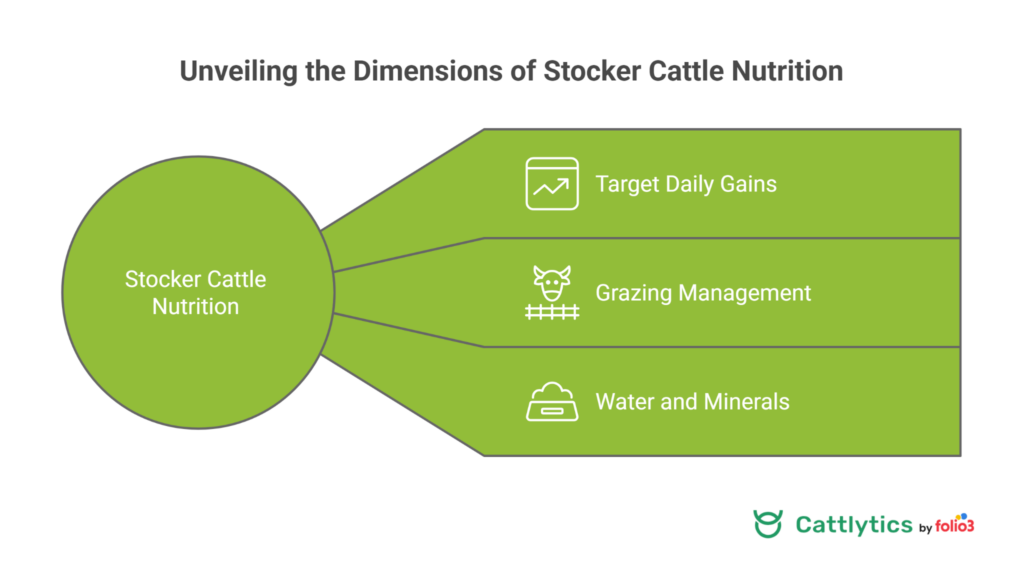
Most stocker operations aim for average daily gains (ADG) between 1.5 and 2.5 pounds per day on grass alone. Higher gains are possible with supplemental feeding, but that adds cost. The key is balancing gain with cost of gain.
Stocker cattle that come in thin and rough from a hard winter often gain faster initially because their bodies are catching up. This compensatory gain effect is one reason experienced operators look for calves that are healthy but not overly fleshy. Cattle that arrive already carrying condition may actually lose weight during the adjustment period before they start gaining.
Grazing Management
Overgrazing is one of the fastest ways to kill your margins with stocker cattle. When pastures are grazed too short, regrowth slows, forage quality drops, and cattle have to work harder to meet their daily intake needs.
Rotational grazing systems, where cattle are moved between paddocks on a regular schedule, help maintain forage quality throughout the grazing season. Rest periods of 25 to 60 days between grazing events let grass recover and maintain the nutritional value your animals need.
Some operators supplement with mineral blocks, protein tubs, or feed additives like ionophores that improve feed efficiency in cattle production. These supplements can add 0.1 to 0.3 pounds of daily gain at a low cost per head per day.
Water and Minerals
Clean, accessible water is non-negotiable for herd performance. A 600-pound calf can drink 8 to 12 gallons per day in warm weather. If water sources are too far from grazing areas, cattle spend energy walking instead of gaining weight. A good free-choice mineral designed for your region’s forage base should also be available at all times.
Marketing and Selling Stocker Cattle
Knowing when and how to sell your stocker cattle is just as important as knowing when and how to buy. The goal is to sell your cattle at the weight and time that maximizes your return on every dollar invested.
Timing the Sale
Most of these cattle are sold in the fall when pasture quality starts to decline and feedlots are filling pens before winter. However, selling when everyone else sells means you are competing with the highest supply of the year, which can push prices down.
Some operators sell earlier in the summer when supply is lower. Others hold cattle longer into winter, feeding hay or stockpiled forage to add more weight. The right timing depends on your cost structure, forage availability, and market direction.
Reducing Shrink at Sale
Shrink, the weight loss that occurs when cattle are handled, loaded, and transported, can eat into your profits fast. Cattle can lose 3% to 5% of their body weight through stress, water loss, and gut fill during transit. On a 750-pound steer at current prices, that shrink represents a significant dollar amount.
Reducing livestock shrink loss starts with low-stress handling. Avoid working cattle in the heat of the day. Give them access to water and hay before loading. Keep pen time short and minimize transit time. Every pound you preserve at sale is a pound you already paid to put on.
What Buyers Want
Feedlot buyers pay premiums for stocker cattle that are uniform in size and color, have documented health records, and show good flesh condition without being overly fat. Black-hided cattle, particularly Angus or Angus-cross, bring the highest prices due to consumer demand for Certified Angus Beef.
Groups of 40 or more head that look alike and have consistent records bring better bids than small mixed lots. If you cannot fill a load on your own, consider partnering with a neighbor to combine cattle for sale.
Tracking and Managing Stocker Cattle with Technology
Running a stocker cattle operation on paper and guesswork works until it does not. When you are managing 50, 100, or 500 head of stocker cattle across multiple pastures, you need a system that tracks individual animals, records health events, monitors weight gains, and calculates your true cost of gain.
This is where cattle management software adds real value. Instead of relying on memory or scattered notebooks, you can log each animal’s arrival weight, processing records, treatments, pasture assignments, and sale weight in one place. That data tells you which groups performed best, which source sellers delivered the healthiest cattle, and where your profit margins are strongest.
For stocker operators, the ability to track average daily gain by group and compare cost of gain across seasons is critical. These numbers tell you whether to buy from the same source next year or change your approach.
Digital record-keeping also helps at sale time. Buyers increasingly want documentation that cattle have been properly managed. A platform like Cattlytics lets you manage all of this from your phone or computer, whether you are at the barn, in the pasture, or at the sale barn. Running a successful beef cattle farming operation today requires good data, and stocker cattle are no different.
Conclusion
Stocker cattle represent one of the most flexible and profitable segments of the beef supply chain when managed correctly. How you source your stocker cattle, manage their health, optimize your pastures, and time your sales all determine whether you finish the season with a profit or a loss.
Understanding the difference between stocker calves and feeder calves helps you make smarter buying and selling decisions. With cattle supplies at their lowest point in decades and prices near record highs, the opportunity in the stocker cattle segment is real. But so is the risk.
The operators who succeed track their numbers, invest in animal health, manage forage carefully, and make data-driven decisions. Whether you are running 20 head or 200, the principles are the same. Know your costs, know your cattle, and know your market.
FAQs
What Is the Difference Between Stocker Cattle and Feeder Cattle?
Stocker cattle are lightweight, recently weaned calves (350 to 600 pounds) that are placed on pasture or forage to gain weight. Feeder cattle are heavier animals (600 to 900 pounds) that are ready to enter a feedlot for grain finishing. The stocker phase grows the calf on lower-cost forage before it becomes a feedlot-ready feeder animal.
How Much Weight Should Stocker Cattle Gain Per Day?
Most stocker cattle operations target an average daily gain of 1.5 to 2.5 pounds per day on grass. Gains depend on forage quality, stocking rate, supplementation, and the condition of the cattle at arrival. Cattle that come in thin often gain faster due to compensatory growth.
How Long Do You Keep Stocker Cattle Before Selling?
The typical holding period for stocker cattle is 60 to 120 days, though some operators keep cattle longer depending on pasture availability and market conditions. The goal is to add enough weight to cover your costs and generate a profit before forage quality declines or market conditions shift.
What Is the Best Breed for Stocker Cattle Operations?
There is no single best breed, but Angus and Angus-cross cattle dominate the stocker cattle market because of their reputation for performance and carcass quality. Black-hided cattle typically bring premium prices at auction. Other breeds with strong frame growth, good disposition, and reliable weight gain can also work well in a stocker operation.
How Do You Reduce Death Loss in Stocker Cattle?
The biggest step you can take is buying preconditioned, properly weaned stocker cattle with documented vaccination records. Process all cattle on arrival with vaccinations, deworming, and individual identification. Monitor cattle closely during the first 21 days, treat illness early, and keep detailed health records to identify problems across source groups.
Can You Make Money Running Stocker Cattle on Small Acreage?
Yes, but your profit depends on the cost of gain, purchase price, and sell price. Stocker cattle operations work on smaller acreages if you manage forage through rotational grazing and keep stocking rates realistic. Lower overhead compared to a cow-calf operation makes the stocker model attractive for small-scale producers.