
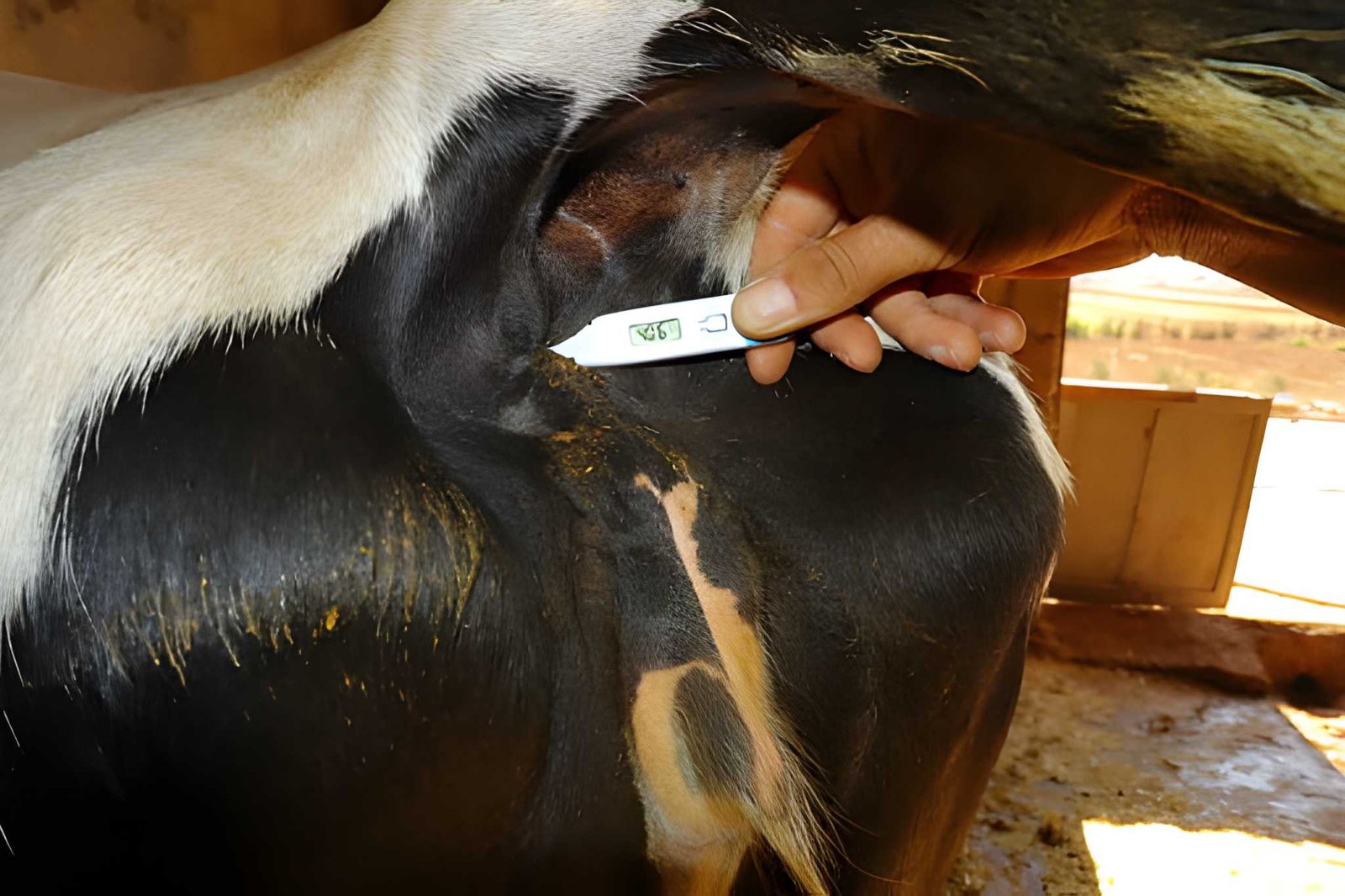

Hardware disease in cattle is one of those conditions that can quietly devastate your operation if you miss the early warning signs. The clinical name is traumatic reticuloperitonitis (TRP), and it happens when a cow swallows a sharp metallic object that punctures the stomach lining from the inside out.
What makes cow hardware disease so costly is the speed at which it escalates. One day, a cow looks slightly off feed. A few days later, she has a raging abdominal infection, or worse, the metal has migrated toward her heart. According to data from slaughter surveys in the eastern United States, 55% to 75% of cattle were found to have foreign metal in their reticulum, though most of these objects never caused visible harm. The difference between metal sitting harmlessly and metal causing a fatal perforation often comes down to how quickly you catch the problem and how well your prevention protocols hold up.
This guide walks you through the anatomy behind the disease, the exact symptoms to watch for, your treatment options, and the prevention strategies that actually keep hardware in cattle from becoming a recurring problem on your operation.
What is Hardware Disease in Cattle? (Anatomy & Causes Explained)
Hardware disease in cattle occurs when a cow swallows a sharp metallic object, like a nail, screw, or piece of wire, that settles in the reticulum and potentially punctures the stomach wall, causing severe infection or organ damage.
Why Cows are Vulnerable: Anatomy of the Bovine Forestomach
Cattle are not picky eaters by design. Unlike horses, which have sensitive lips that sort feed carefully, cows use their tongues to sweep large volumes of forage into their mouths with minimal sorting. They swallow feed largely unchewed during initial intake and rely on rumination to break it down later.
This feeding behavior means small metallic objects, like bits of baling wire, fence staples, or nails from old buildings, get swallowed without the cow ever noticing. Once inside the digestive system, heavy metallic debris does not float through the rumen like plant matter. It sinks directly to the floor of the reticulum, the second and smallest compartment of the bovine forestomach. The reticulum sits low in the abdomen, right against the diaphragm and dangerously close to the heart.
The Pathogenesis: From Swallowed Nail to Peritonitis
Once a sharp object lodges in the reticulum, the muscular contractions of this compartment during normal digestion push the object into the reticular wall. If the object is long or sharp enough, it punctures through the wall entirely. It creates an opening for rumen bacteria to leak into the abdominal cavity, triggering peritonitis, a severe and painful infection of the abdominal lining.
In the worst cases, the foreign object continues to migrate forward through the diaphragm and into the pericardial sac surrounding the heart. This condition, called traumatic pericarditis, can cause fatal heart failure. During pregnancy, the rumen and reticulum are displaced forward, and the forceful abdominal contractions at calving can push the hardware deeper into surrounding tissues or toward the heart. That is why hardware in cattle often surfaces clinically around calving time.
Spotting the Danger Early: Hardware Disease Symptoms and Signs
Catching hardware disease symptoms early can mean the difference between a $5 magnet and a $5,000 loss. Here is a chronological breakdown of clinical signs and a field-ready checklist you can use today.
Early-Stage Clinical Signs (The First 24 to 48 Hours)
The first signs of hardware disease in cattle are easy to confuse with other conditions. That is what makes this disease so deceptive. Within the first 24 to 48 hours after the object perforates the reticular wall, you will typically see a sudden, sharp drop in feed intake. In dairy cows, this shows up immediately as a dramatic drop in milk yield, sometimes losing several liters overnight. Keeping accurate milk production records can help you spot these drops before other symptoms appear.
A large-scale clinical study of 503 cattle diagnosed with traumatic reticuloperitonitis found that the most common early findings included abnormal demeanor in 87% of cases, reduced or absent rumen motility in 72%, and fever in 43% of animals.
Watch for these early indicators:
- Sudden feed refusal with no obvious cause
- Slight fever (103°F to 104°F)
- Arched back with a tucked-in abdomen
- Stiff, reluctant gait, especially downhill
- Reduced rumen contractions when you listen with a stethoscope
- A noticeable reluctance to turn sharply or lie down
Advanced Complications: Peritonitis, Vagus Indigestion, and Heart Failure
When hardware disease in cattle goes undetected for days or weeks, the damage compounds. Peritonitis spreads, adhesions form between abdominal organs, and the vagus nerve that controls digestive motility can be damaged. It leads to a condition called vagus indigestion, where the rumen becomes chronically distended, giving the cow a characteristic “papple-shaped” (pear plus apple) abdominal profile.
If the object reaches the pericardial sac, you will see classic signs of traumatic pericarditis: jugular vein distension and visible pulsation along the neck, brisket edema (fluid swelling under the chest), muffled heart sounds, and sometimes audible fluid splashing in the chest cavity. At this stage, prognosis is poor.
Dairy vs. Beef Cattle: Subtle Differences in Presentation
In dairy cows, the first red flag is almost always a sudden milk yield crash. Somatic cell counts (SCC) may also spike because the immune system is responding to internal infection, not a mammary issue. Beef cattle, where you are not measuring daily milk output, tend to present later. You might notice weight loss, isolation from the herd, and visible signs of stress like tooth grinding (bruxism) or standing apart from the group before you suspect hardware.
Actionable Producer Edge: The Field Test Checklist
You do not need expensive equipment to run a preliminary field check. Two simple tests can help you decide whether to call your vet immediately:
The Grunt Test (Xiphoid Pressure Test): Stand beside the cow and apply firm upward pressure to the xiphoid cartilage (the lowest point of the sternum, between the front legs). Use a solid post or lift upward with both hands. A cow with reticular pain will produce an audible grunt or groan as the pressure compresses the inflamed reticulum.
The Scruff Test (Withers Pinch): Firmly pinch the skin at the cow’s withers. A healthy cow will reflexively dip her spine downward. A cow with hardware disease will not lower her body because the movement causes too much abdominal pain.
Symptom Comparison Table: Early vs. Advanced Hardware Disease in Cattle
| Symptom Category | Early Clinical Signs (Acute) | Advanced Pathology (Chronic/Severe) | Conditions to Rule Out |
| Physical Stance and Mobility | Arched back, stiff gait, reluctance to turn or walk down slopes | Complete recumbency, abduction of elbows away from the chest | Laminitis, Severe Foot Rot, Spinal Trauma |
| Feed Intake and Digestion | Sudden feed refusal, mild bloat, drop in rumen contractions | Vagus indigestion, chronic “papple-shaped” abdominal distension | Grain Overload, Abomasal Displacement |
| Production Metrics | Abrupt, dramatic drop in daily milk yield; slight fever (103°F+) | Emaciation, elevated somatic cell counts, permanent loss of production | Acute Mastitis, Ketosis |
| Cardiovascular and Pain Indicators | Shifting weight, shallow breaths, grunting when forced to move | Jugular vein pulsing, fluid splashing sounds in chest, brisket edema | Bovine Respiratory Disease (BRD), Endocarditis |
How to Treat Hardware Disease in Cattle: Medical vs. Surgical Interventions
Two treatment paths exist once your vet confirms the diagnosis. Your choice depends on how far the disease has progressed and what the cow is worth to your operation.
Conservative Treatment: Magnets and Broad-Spectrum Antibiotics
For early-stage cases where the object has not migrated beyond the reticular wall, the first-line approach is administering a high-quality rumen magnet (Alnico or Neodymium-based) using a balling gun. The magnet drops into the reticulum and attracts the metallic foreign body, pulling it against the reticular floor and away from the wall.
Pair this with a 3 to 5 day course of broad-spectrum antibiotics (commonly penicillin or oxytetracycline) to control the localized peritonitis. Confine the cow in a small, level pen to minimize movement that could push the object deeper. Some veterinarians also elevate the cow’s front end on a 6 to 8 inch platform for 10 to 20 days to encourage the object to settle away from the diaphragm.
Surgical Treatment: When is a Rumenotomy Necessary?
When conservative treatment fails after 3 to 4 days, or when imaging shows the object is still perforating the reticular wall, surgery becomes necessary. A rumenotomy involves a left-flank laparotomy where the veterinarian makes an incision along the last rib, opens the rumen, and manually reaches into the reticulum to locate and remove the offending metal.
The same study found that surgical treatment had a significantly higher success rate, with 90% of 206 operated cattle discharged successfully. Surgery is the better option when the magnet cannot capture the object or when the foreign body has already caused significant damage.
Evaluating Prognosis: Salvage vs. Treatment Success Rates
Modern veterinary practice now uses portable ultrasound to assess how far the damage has spread before committing to costly surgery. If ultrasound reveals extensive fluid or fibrin buildup around the pericardial sac, the prognosis is poor regardless of intervention. In these cases, humane salvage for slaughter (if the animal is fit for the food chain) is the more responsible financial and welfare decision. Tracking the health history of each animal digitally makes these treatment-versus-salvage decisions faster and better documented.
The Producer’s Edge: Advanced Prevention Protocols and Pasture Audits
Prevention is where the real ROI sits. A few dollars spent on magnets and pasture maintenance can save thousands in treatment, lost production, and premature culling.
The Proactive Rumen Magnet Protocol: When to Dose
Best practice is to administer a rumen magnet to all replacement heifers and bulls between 6 and 12 months of age, well before they enter the breeding herd. A single magnet can remain effective for years, sitting on the reticular floor and collecting any metal debris the animal ingests.
However, magnets are not permanent solutions. Over time, they can lose structural integrity, become coated in sediment, or become so loaded with small metal particles that they can no longer attract new objects. Work with your vet to assess whether older cows that have been in the herd for 5+ years may need a second magnet. If you are using a cattle management platform to track individual animal records, you can set magnet administration dates and flag animals that are due for reassessment.
Engineering a Metal-Free Feed and Pasture Environment
Beyond magnets, your best defense is making sure metal never reaches the feed bunk in the first place. Here is a practical checklist:
- Install magnetic bars or plates on TMR mixers and feed chutes to capture metal fragments before they reach the bunk
- Run a magnetic sweeper across areas after any construction, fence repair, or barn renovation
- Clear pastures of old baling wire, radial tire wires (which contain sharp steel belts), and discarded fencing materials
- Inspect round bales for embedded wire before feeding, especially if the baler uses wire ties
- Train all farm workers to pick up and dispose of loose metal immediately, not “later”
Avoiding common herd health management mistakes like neglecting pasture cleanliness is often the simplest, cheapest way to prevent hardware disease from ever becoming a problem on your operation.
Post-Treatment Recovery and Long-Term Herd Outlook
Knowing how to treat hardware disease in cattle is only half the equation. What happens after the cow survives matters just as much for your bottom line.
During the first 2 to 3 weeks post-treatment, feed a highly digestible, soft forage diet. Avoid long, coarse hay or stemmy silage that forces aggressive reticular contractions, as this risks re-aggravating the healing tissue. Gradually transition back to normal rations as appetite and rumen motility return.
For dairy cows, plan for a slow return to the milking string. Full production levels may not return for 4 to 6 weeks, and some cows may never reach pre-illness peak. For beef cattle, expect a 2 to 4 week lag before normal weight gain resumes. Digital herd management tools that track individual animal weight and production trends can help you monitor recovery objectively rather than relying on visual estimates alone.
FAQs
Can a Cow With Hardware Disease Still Be Sent to Slaughter?
Yes, if the infection is localized and the cow has been properly withdrawn from any antibiotics, she may be eligible for humane salvage slaughter. Your veterinarian must evaluate her fitness for the food chain and confirm all withdrawal periods have been met.
How Much Does a Rumen Magnet Cost Compared to Surgery?
A rumen magnet typically costs between $3 and $10 per head. A rumenotomy surgery, on the other hand, can run $500 to $1,500 or more depending on location and severity. Prevention delivers a massive return on that small upfront investment.
Do Rumen Magnets Work for Every Type of Metal Debris?
No. Rumen magnets only attract ferrous (iron-based) metals like nails, wire, and steel fragments. Non-ferrous materials like aluminum cans or copper wire will not attach to the magnet. That’s why pasture cleanup remains critical even when magnets are in place.
Is Hardware Disease in Cattle Contagious to Other Animals in the Herd?
Hardware disease is not contagious. It results from individual ingestion of foreign metal, not from a pathogen that spreads between animals. However, if one cow picks up hardware from a contaminated pasture or feedlot, others grazing the same area are at equal risk.
At What Age Are Cattle Most Susceptible to Hardware Disease?
Older cattle are more often affected than young ones because they have had more years of grazing exposure to accumulate metal in the reticulum. Dairy cows are particularly vulnerable around calving when abdominal pressure can push retained metal into the stomach wall.