

Weaning day ranks as the single most stressful event in a calf’s life. It tests your labor, your patience, and your bottom line. For decades, the default playbook has been total separation: load them up, haul them out, and hope the bawling stops before the weight loss piles up.
But it does not have to be that way. Fenceline weaning for beef cattle offers a low-stress, research-backed alternative that does not demand a massive capital investment. It demands better management. That is a trade most producers can make.
This guide walks you through the science, the setup, and the financial payoff of fence line weaning. Whether you run a 50-head cow-calf operation or manage a 500-head commercial herd, the principles are the same. Less stress means more gain, fewer sick calves, and a quieter ranch on weaning day.
What is Fenceline Weaning?
Fenceline weaning reduces the trauma of separation. It keeps the mother-calf bond partially intact during the transition period.
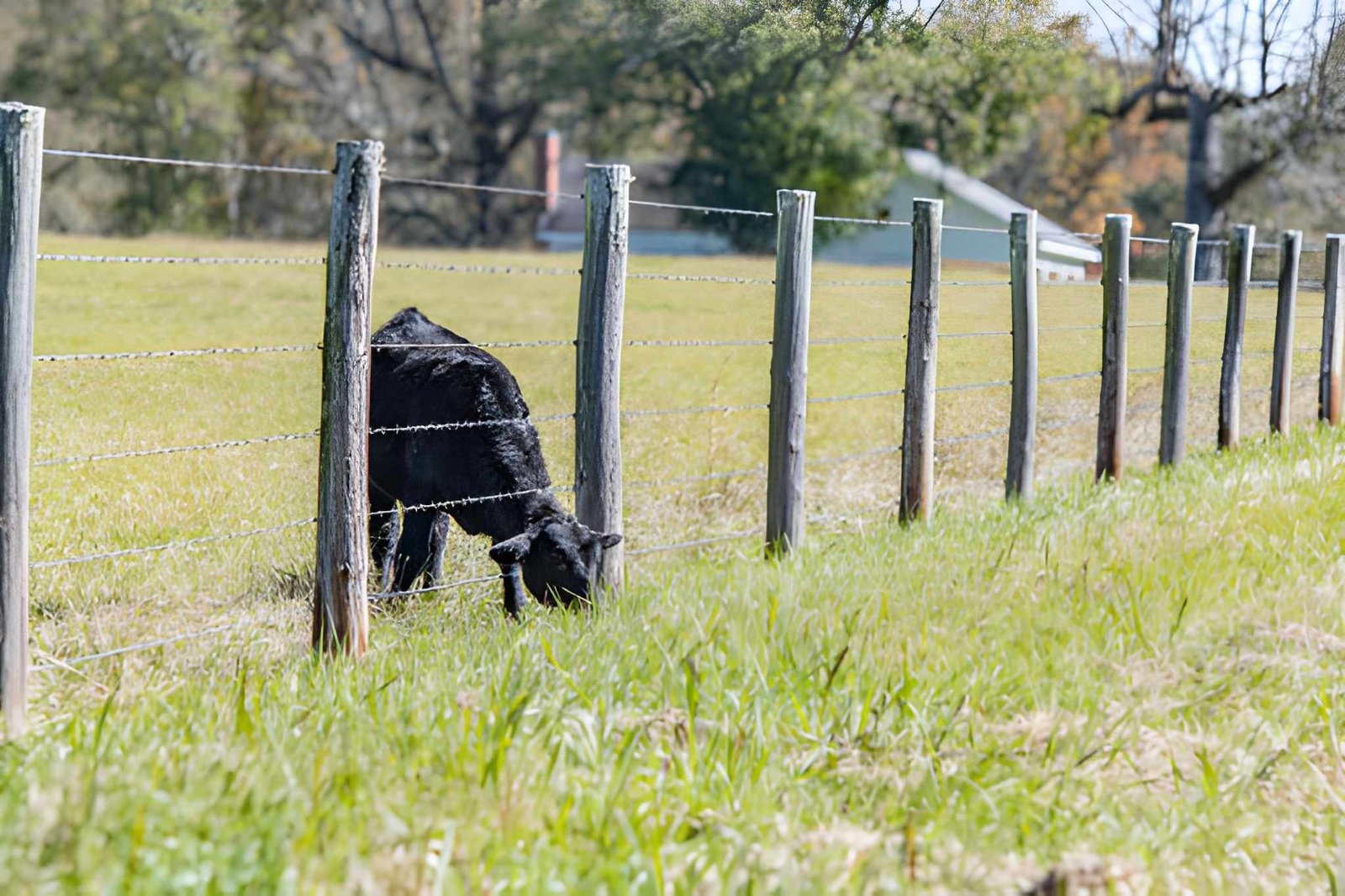
Fenceline weaning is the practice of separating cows and calves into adjacent pastures that share a common fence. The calves can still see, hear, and smell their dams. They just cannot nurse. This partial contact is what makes the method work. The calves know their mothers are close, so they spend less time pacing and bawling and more time eating and resting.
Compare that to traditional weaning methods. Total drylot separation, sometimes called “truck weaning,” rips calves away from everything familiar: their dam, their pasture, their water source, and their social group. The “out of sight, out of mind” approach sounds logical, but the science tells a different story.
The fenceline weaning period typically runs 7 to 14 days. After that window, the bond weakens naturally, and calves can be moved to their next management phase with minimal setback.
The Science of Stress: Why Traditional Weaning is Costing You Money
Stress in cattle at weaning stage is not just an animal welfare concern. It is a financial leak that drains profit from your operation every year.
Behavioral Data
A landmark three-year study compared the behavior and performance of calves weaned by five different methods: not weaned, fenceline weaned, abruptly weaned on pasture, abruptly weaned in a drylot without preconditioning, and abruptly weaned in a drylot after preconditioning to hay. The results were clear. Aside from some vocalization, fenceline-weaned cattle behaved nearly identically to calves that had not been weaned at all. They kept eating. They kept resting. The totally separated calves, on the other hand, paced fence lines relentlessly, vocalized for days, and stopped eating.
The Cortisol Factor
That behavioral breakdown is driven by cortisol, the body’s primary stress hormone. When a calf experiences psychological distress, cortisol floods the system. Elevated cortisol suppresses immune function, making calves highly susceptible to Bovine Respiratory Disease (BRD) and other shipping fevers. BRD alone costs the U.S. beef cow-calf industry roughly $165 million every year in death loss, treatment expenses, and reduced weaning weights. At the feedlot level, an estimated 16.2% of cattle placed are treated for respiratory disease after arrival, adding another layer of loss for every calf that arrives stressed and immunocompromised .
Weight Loss (Shrink)
Then there is the weight loss. When a 500-lb calf paces instead of grazing and fasts instead of eating, the shrink adds up fast. Traditionally weaned calves can lose 22 to 24 pounds more than their fenceline-weaned counterparts, and that weight gap persists even 10 weeks after weaning. At today’s feeder calf prices, that is real money walking off your operation. Understanding how to minimize livestock shrink starts with how you wean.
Core Benefits of Fence Line Weaning Calves
The advantages of this method go beyond stress reduction. Fence line weaning calves delivers measurable returns in weight, health, and marketability.
Superior Weight Gain
Research found that fence line weaning calves gained 95% more weight during the first two weeks after weaning than calves weaned by any other method. Over a longer window, those early gains held. Fenceline-weaned calves remained 22 to 24 pounds heavier at the 10-week mark compared to totally separated calves. That is because these calves never stopped eating. While drylot calves were pacing and bawling, fenceline calves were grazing.
Reduced Sickness and Treatment Costs
Calves that continue eating and resting maintain stronger immune systems. Research found that only 15% of fenceline-weaned calves required treatment for respiratory disease during the four-week feedlot arrival period. That rate doubled for truck-weaned calves and was 2.5 times higher for drylot-weaned calves. Fewer pulls from the pen means fewer vet bills, less antibiotic use, and less labor spent doctoring.
Bunk Breaking
Fenceline weaning calves gives them the chance to learn independent grazing and bunk feeding while their dam is still nearby. That sense of security makes calves more willing to approach feed bunks, explore water troughs, and eat new rations. You are essentially training them for the next phase, whether that is backgrounding or going straight to a feedlot, without the trauma of doing it all at once.
Market Premiums
Buyers pay more for pre-conditioned, low-stress calves because they know these animals perform better after arrival. A calf that has already been weaned, vaccinated, and taught to eat from a bunk is a lower-risk investment. That reputation translates directly into premium prices at the sale barn and stronger relationships with repeat buyers.
Step-by-Step Guide: How to Set Up a Fenceline Weaning System
Setting up a fence-line weaning system is not complicated. But it does require planning before you ever separate the first pair.
Success comes down to two things: stout fences and high-quality forage. Get those right, and the rest falls into place.
One critical rule: the cows should be moved to the new or lower-quality pasture. The calves stay in the familiar pasture where they already know the water, the terrain, and the grazing patterns. Moving calves to a new environment while simultaneously pulling their dam creates two stressors instead of one. Keeping them in place removes the environmental stress entirely, leaving only the nutritional transition to manage.
Before you begin, walk your fence lines. Check your water placement. Confirm your forage condition. The best time to do this is months before weaning season, not the day before.
Fence Requirements and Design
For fenceline weaning cattle to work, you need a fence that prevents nursing contact but allows nose-to-nose interaction. A minimum of 4 to 5 strands of high-tensile electric fence works well for most operations. Alternatively, heavy woven wire with an electric stand-off wire on the calf side provides an excellent physical barrier. Avoid relying on standard barbed wire alone. Motivated calves will push through gaps, especially in the first 48 hours.
Voltage matters. Your fence needs to carry a minimum of 2,500 volts. Anything less, and a determined calf will test it and win. A quality low-impedance energizer and proper grounding are non-negotiable. Avoiding common fencing mistakes now prevents costly breaches during the most critical window.
Here is an important step many producers skip: turn pairs into the weaning paddock at least a week before separation. Let calves bump into the hot wire while their dam is still beside them. A calf that has already learned to respect the fence will not challenge it on weaning day.
Pasture and Nutritional Planning (The 100-Calf Rule)
Your calf-side pasture needs to be the best grass on the place. Dense, green forage between 6 and 10 inches tall is ideal.
Here is a simple planning table to help you calculate your forage requirements:
| Factor | Value |
| Calf Intake | A 500-lb calf eats roughly 3% of body weight (about 15 lbs dry matter/day) |
| Pasture Yield | Dense pasture produces around 1,500 lbs dry matter/acre |
| The Rule | 1 acre supports approximately 100 calves for 1 day |
| Application | For 50 calves over 30 days, plan for roughly 15 acres of quality grass |
This math gives you a starting point. Adjust based on your forage species, rainfall, and soil conditions. If your operation uses rotational grazing, you may already have the paddock structure in place.
To encourage calves to start eating supplemental feed, place palatable grain mixes and feed bunks near the fence line during the first few days. Calves tend to congregate along the fence anyway, so putting nutrition where the traffic is makes the transition smoother. This approach builds on the same principle as creep feeding: introduce new feed in a low-stress context, so calves associate it with comfort, not conflict.
Overcoming Common Fenceline Weaning Challenges
Every weaning system has potential failure points. Knowing them in advance lets you manage around them instead of reacting to them.
Fence Breaches: This is the most common issue, especially in the first 72 hours. Walk your fence line and check voltage daily during the weaning period. Make sure aggressive or dominant cows are not pushing calves into the wire. If one calf gets through and nurses, it can trigger a chain reaction.
Poor Water Placement: Calves will not go looking for water when they are stressed. Place water troughs on the calf side of the fence, ideally near the fence line where calves naturally congregate. If they have to cross an unfamiliar pasture to find water, dehydration becomes a real risk. Integrating cattle management software helps you track water access, calf locations, and daily health observations across your weaning groups in real time.
Weather Events: Avoid starting your weaning protocol during extreme heat, severe storms, or sudden cold snaps. Compounding environmental stress on top of separation stress defeats the purpose of a low-stress method. Watch the forecast and pick a mild, stable weather window.
Conclusion: Maximizing Your Herd’s ROI
Fenceline weaning for beef cattle is more than a welfare practice. It is a marketing tool that puts more pounds on your calves and more money in your pocket.
The research is consistent. Calves that are weaned with fenceline contact gain more weight, get sick less often, and arrive at the feedlot ready to perform. That is the kind of calf buyers want, and they will pay a premium for it.
Start assessing your fencing and pasture rotations now, months before weaning season. Plan your paddock layout. Test your energizer. Stock your feed bunks. The quietest and most profitable weaning season you have ever had starts with the preparation you do today. Track your herd’s weaning data so you can measure the difference and make smarter decisions year over year.
FAQs
How Long Should Calves Stay on the Fenceline Before Full Separation?
Most operations see calves settle within 7 to 14 days of fenceline contact. After that window, the nursing drive drops significantly, and calves can be moved without a major stress response. Monitor behavior daily to gauge readiness.
Can You Use Fenceline Weaning With Electric Fence Only?
Yes, but only if the fence carries at least 2,500 volts and calves have been trained to respect it before weaning day. Two to three strands of high-tensile electric wire work well for herds already accustomed to hot wire.
What is the Best Age to Start Fenceline Weaning Calves?
Most beef producers wean calves between 6 and 8 months of age, typically at 450 to 600 pounds. Weaning at this age balances calf nutritional independence with the cow’s need to recover body condition before the next breeding cycle.
Does Fenceline Weaning Work for Small Herds Under 30 Head?
It works for any herd size as long as you have adjacent pastures and a sturdy dividing fence. Small herds actually make the process easier because you have fewer animals to monitor and less pressure on forage resources during the weaning period.
Should You Vaccinate Calves Before or During Fenceline Weaning?
Ideally, give your first round of vaccinations 2 to 3 weeks before weaning to let the immune response build while stress is still low. Vaccinating during the weaning period adds a stressor that can reduce vaccine effectiveness. Check with your veterinarian to build a vaccination protocol that fits your operation’s timeline.